Mastering Sizing for Wa-Mode Fashion: Lessons from REZEN Kyoto
For Store Owners: Mastering Sizing for Japanese-Western Fusion Fashion with Lessons from REZEN Kyoto
As a web marketing specialist, I know one of the common challenges store owners face is sizing. Especially in today's world where diverse styles are in demand, helping customers find the perfect fit significantly impacts customer satisfaction. This time, through the case of REZEN Kyoto, a Japanese-Western fusion fashion brand located on Shinkyogoku Street in Kyoto, we will deliver the secrets of sizing for borderless fashion and tips for engaging customers.
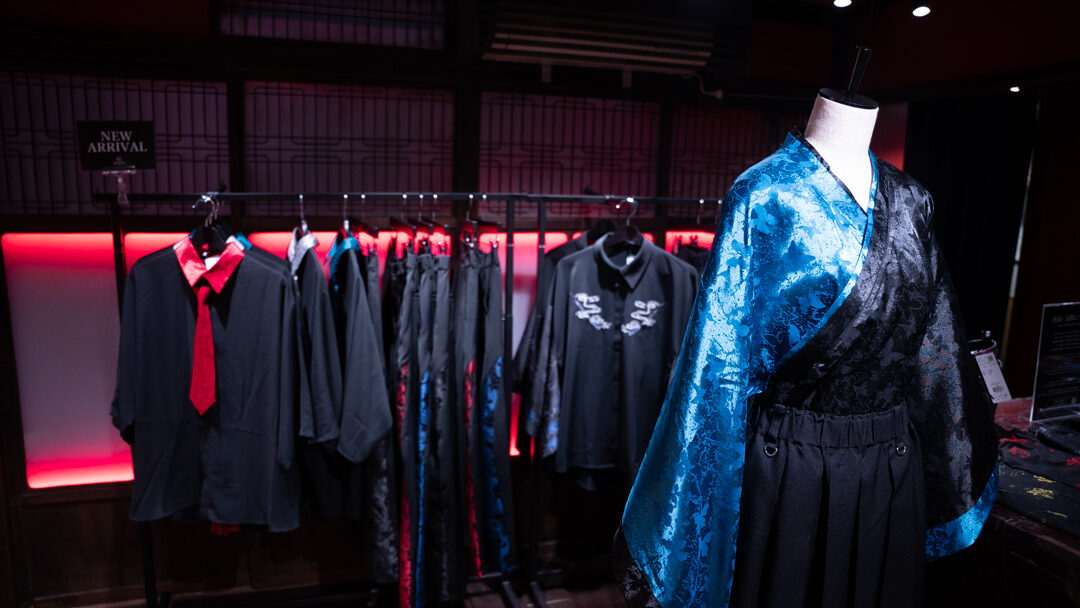
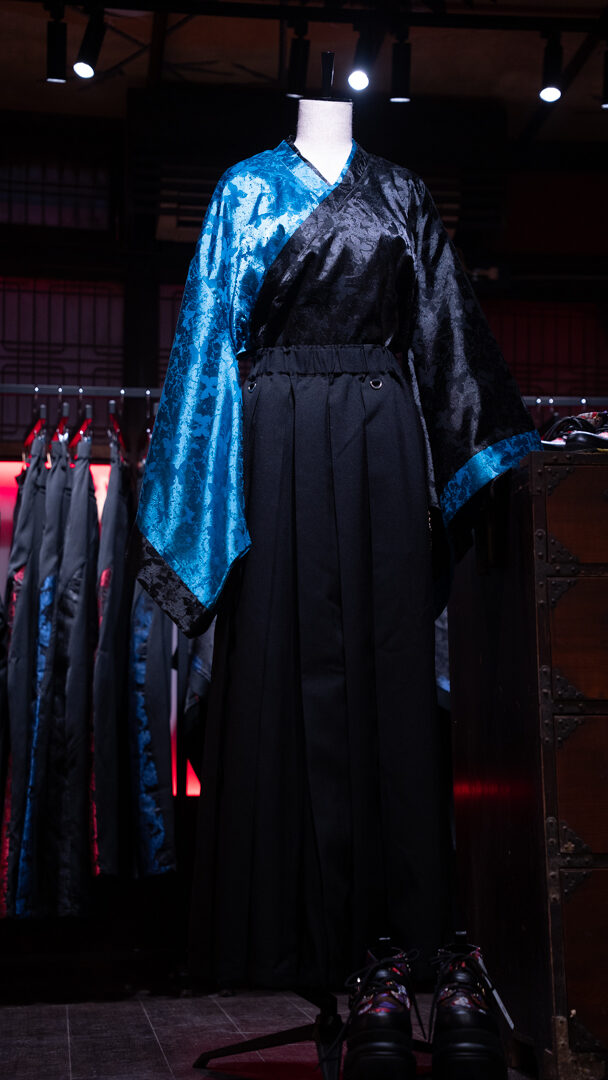
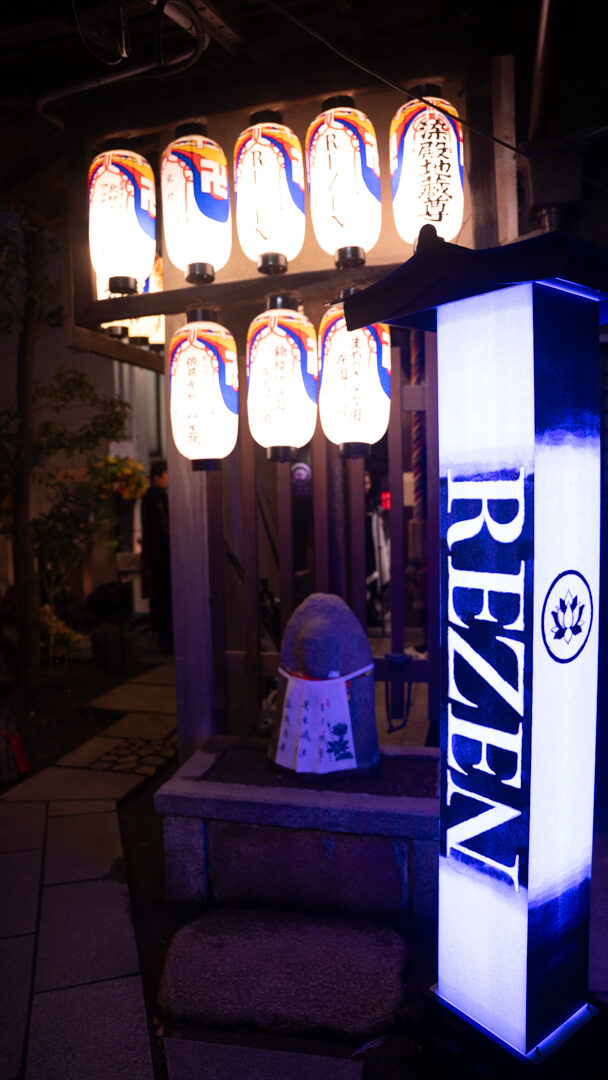
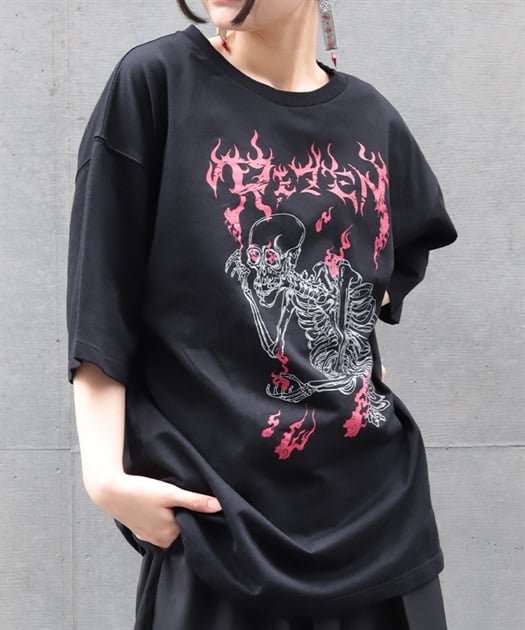
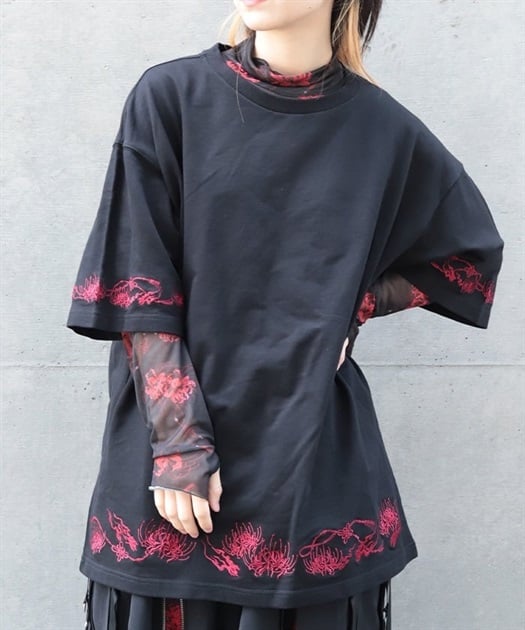
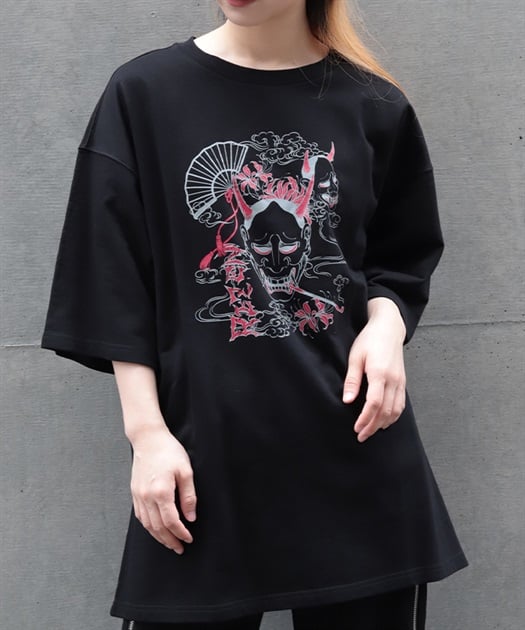
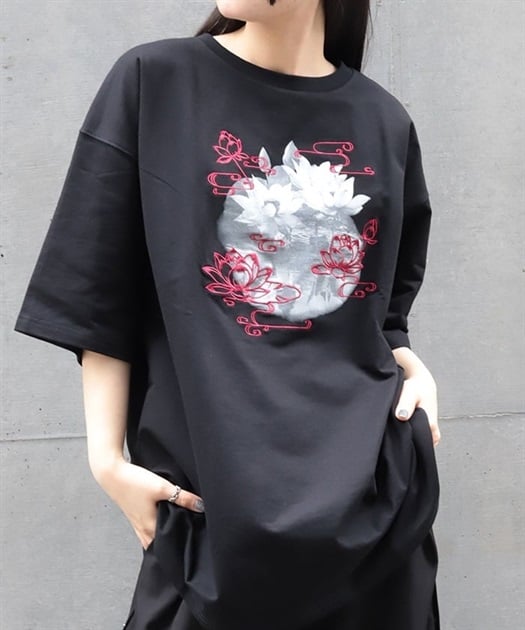
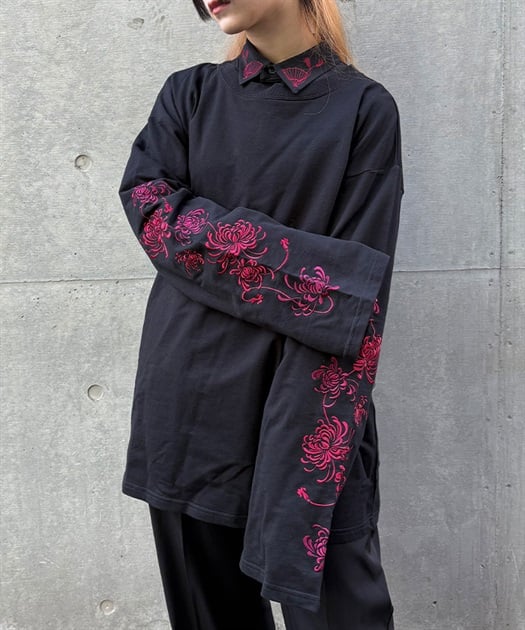
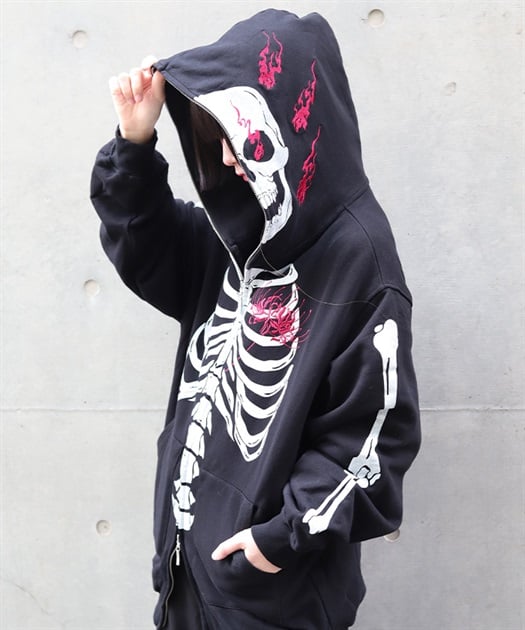
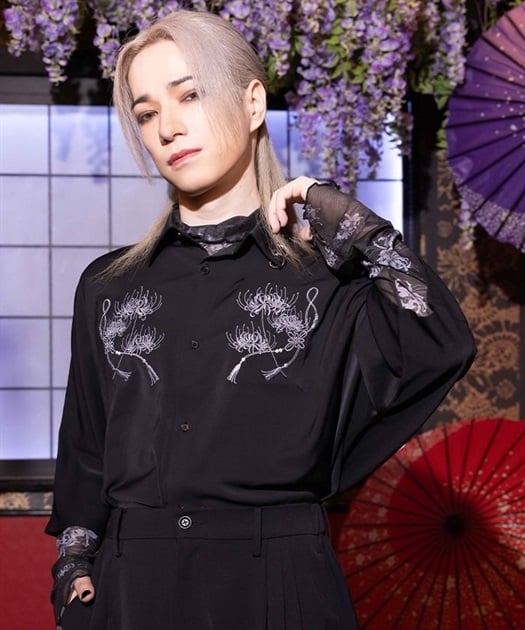
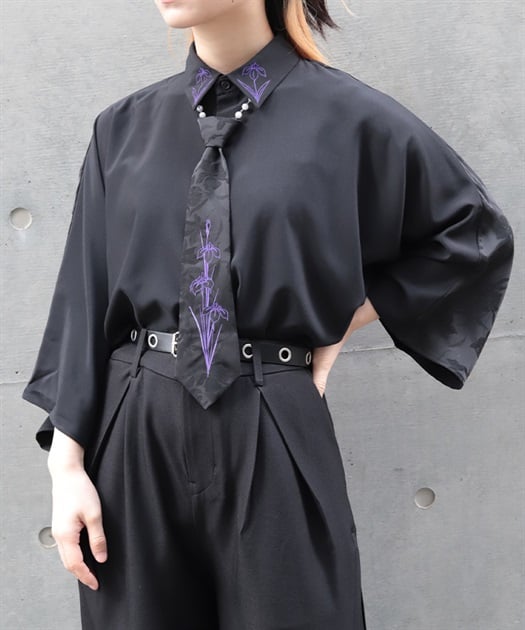
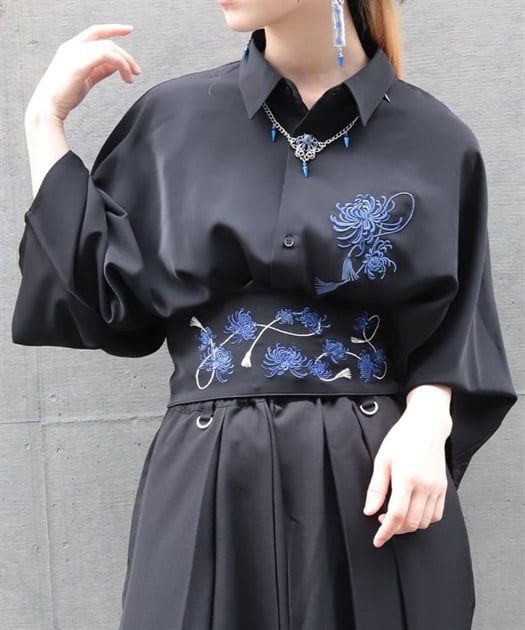
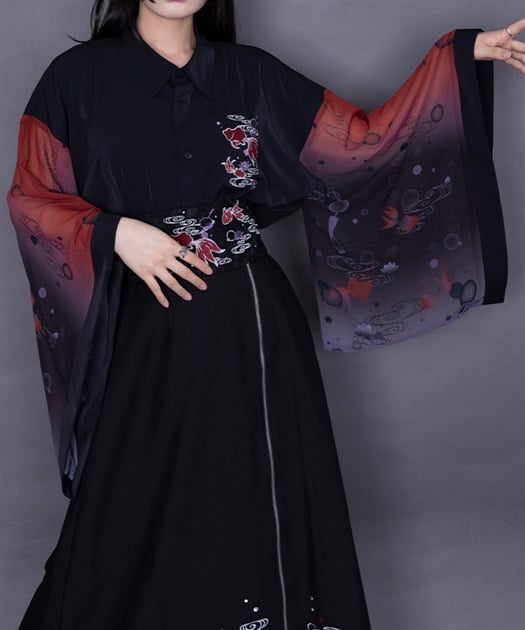
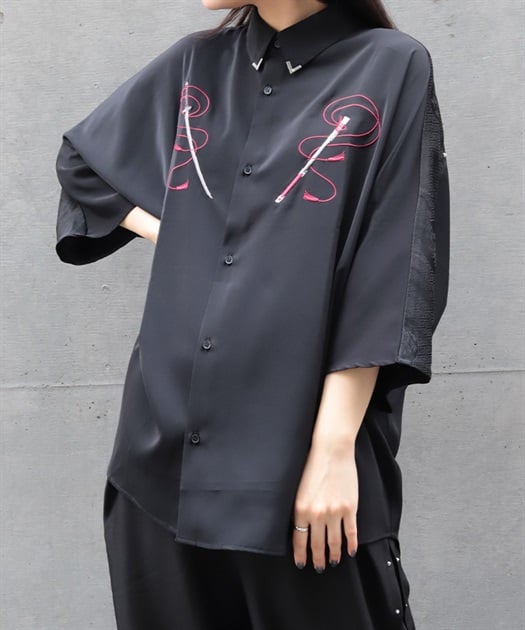
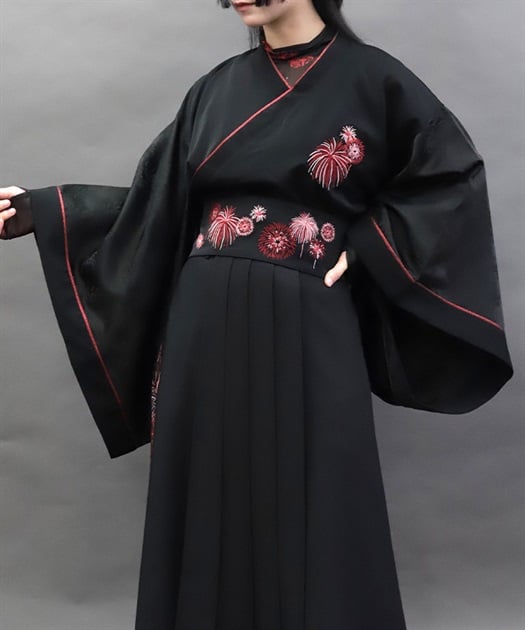
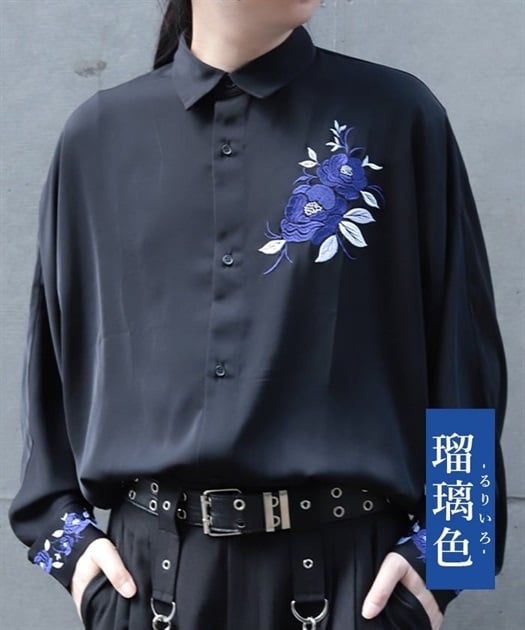
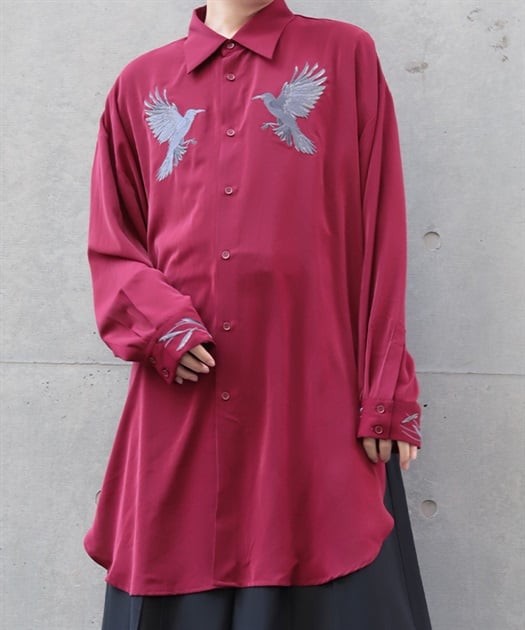
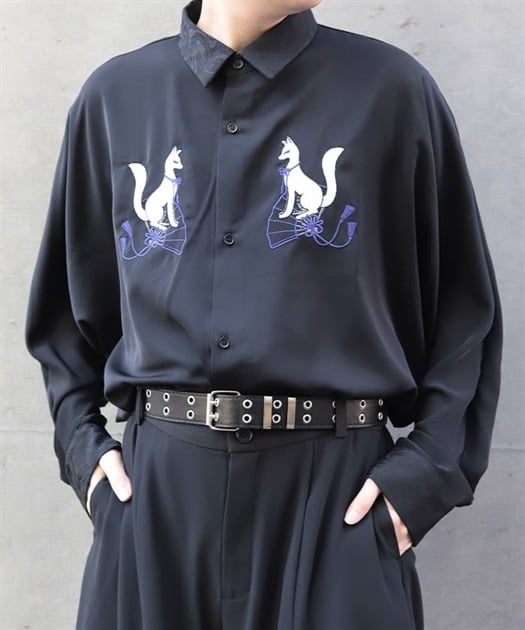
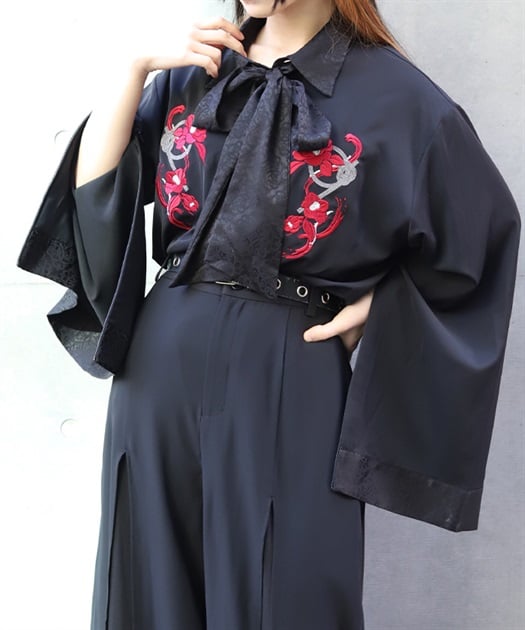
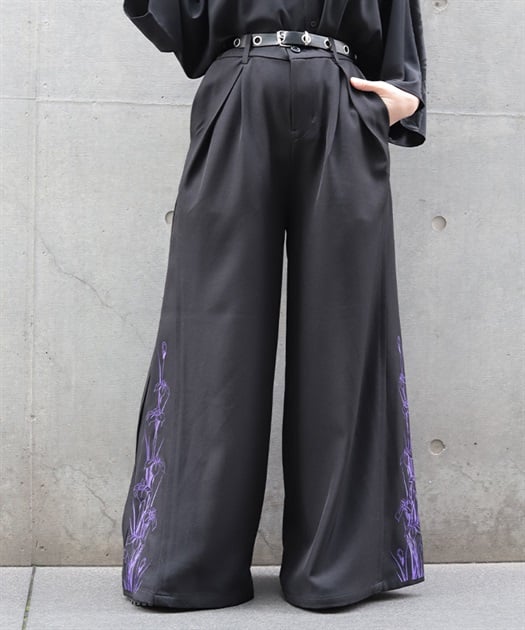
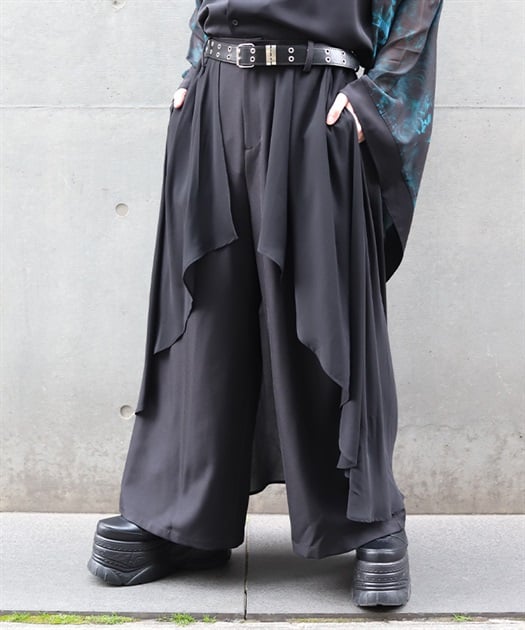
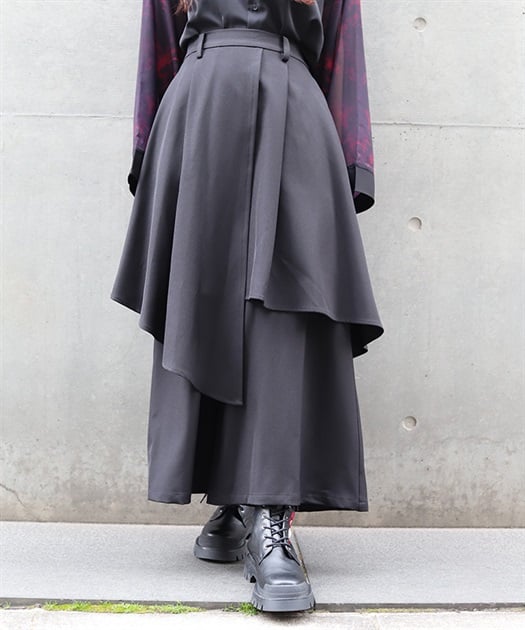
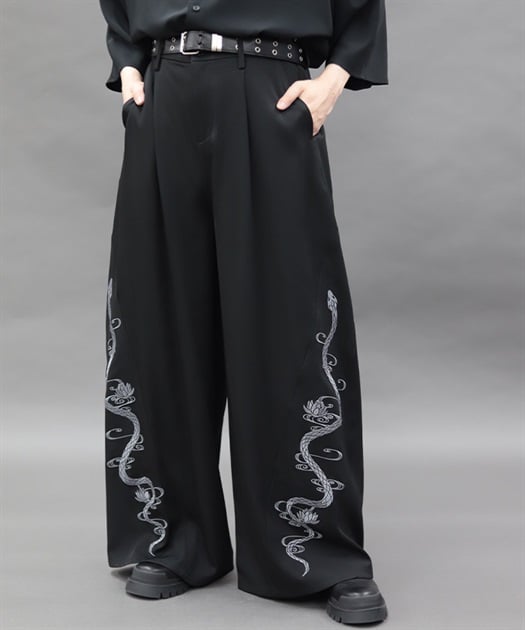
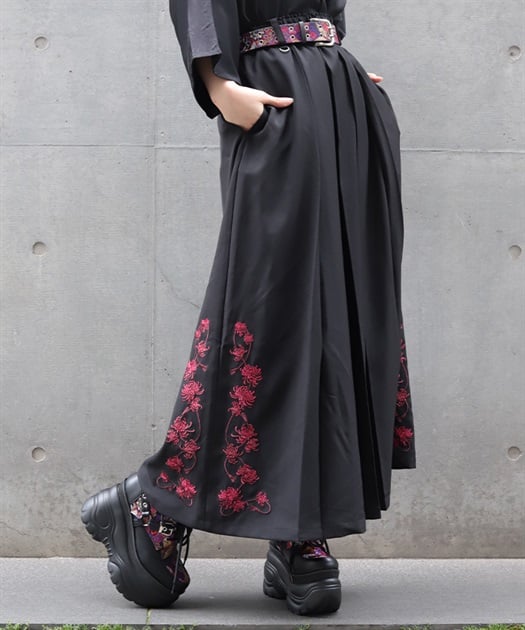
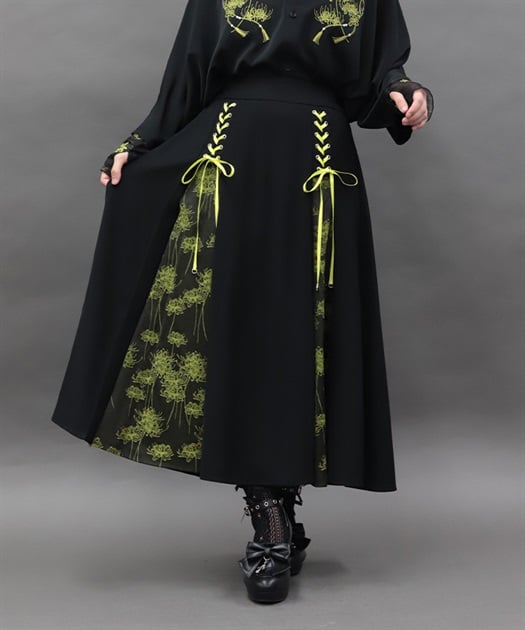
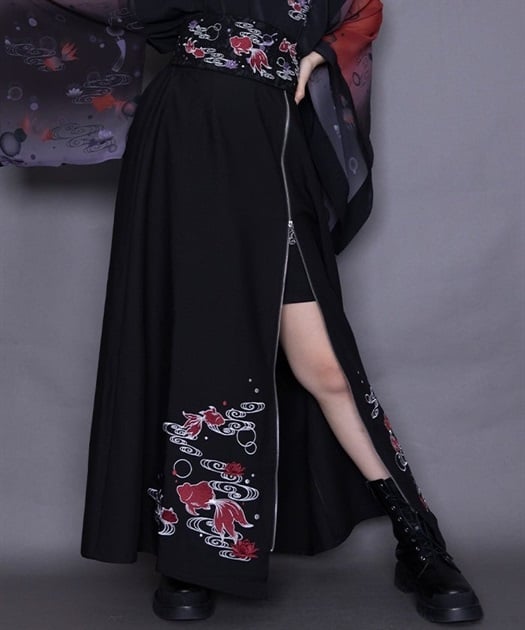
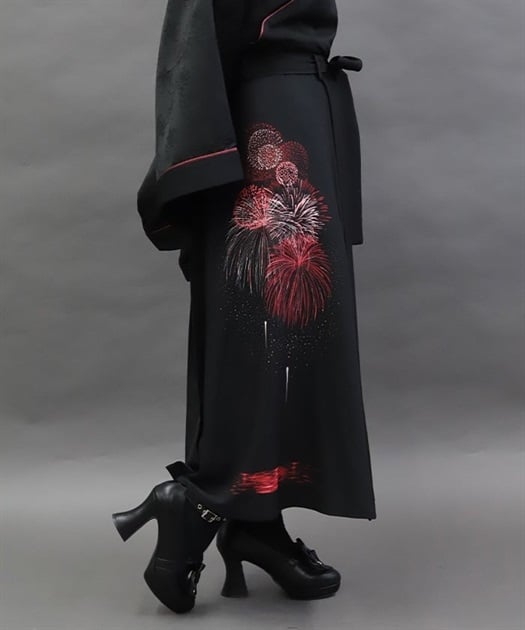
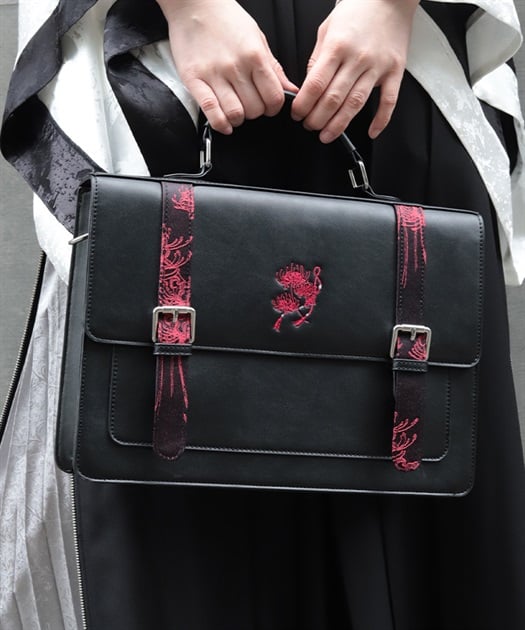
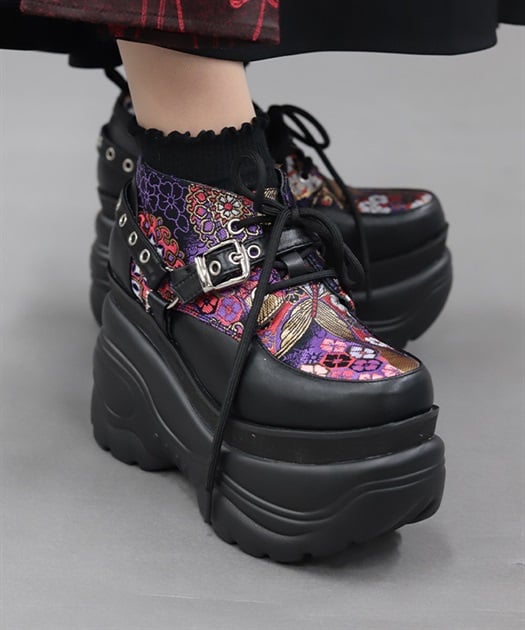
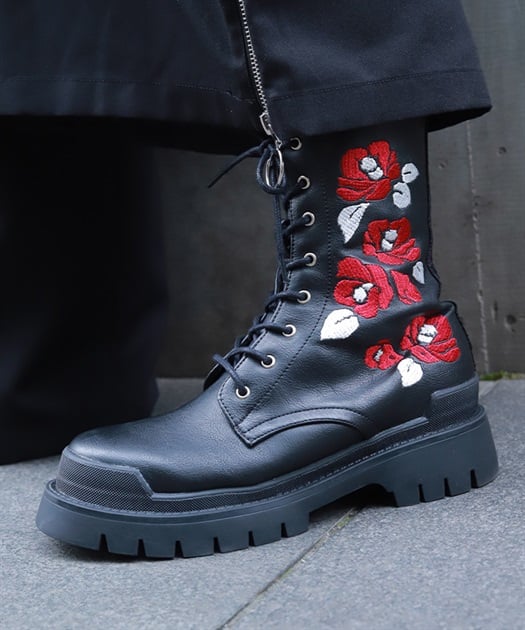
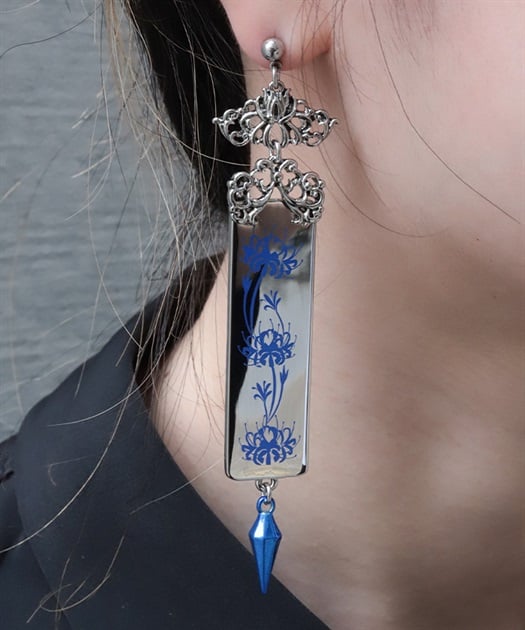
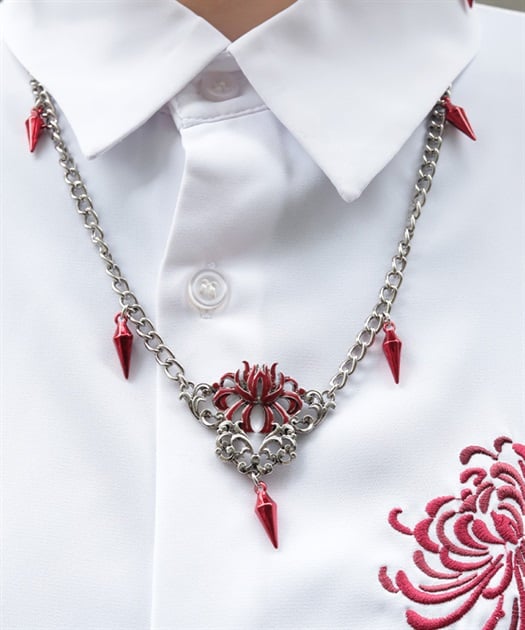
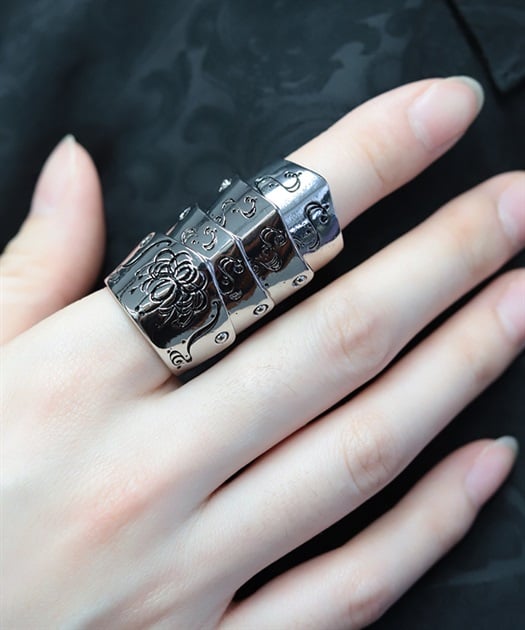
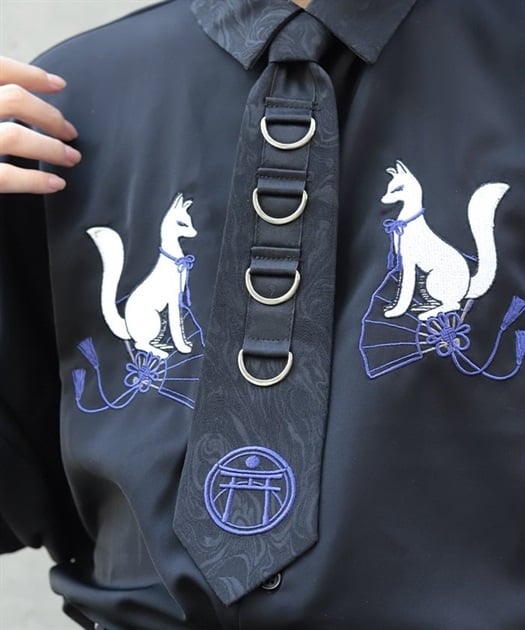
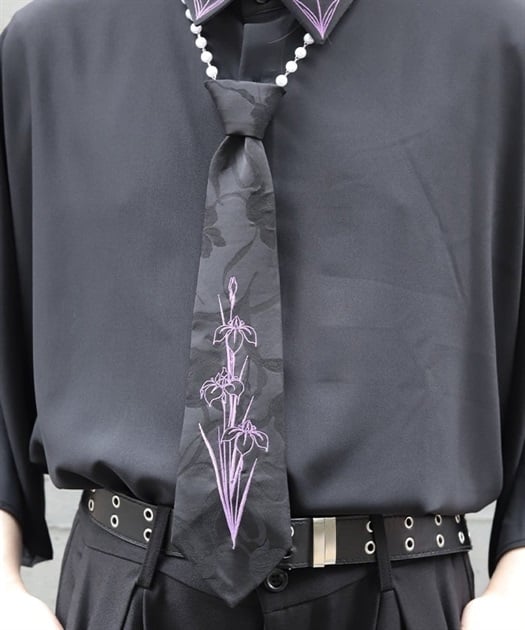
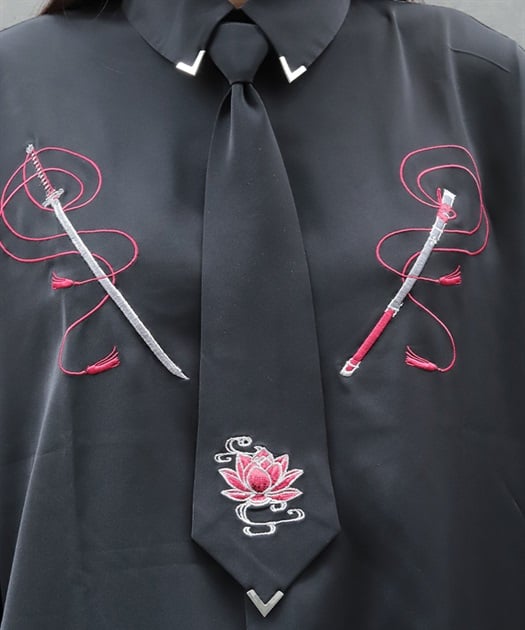
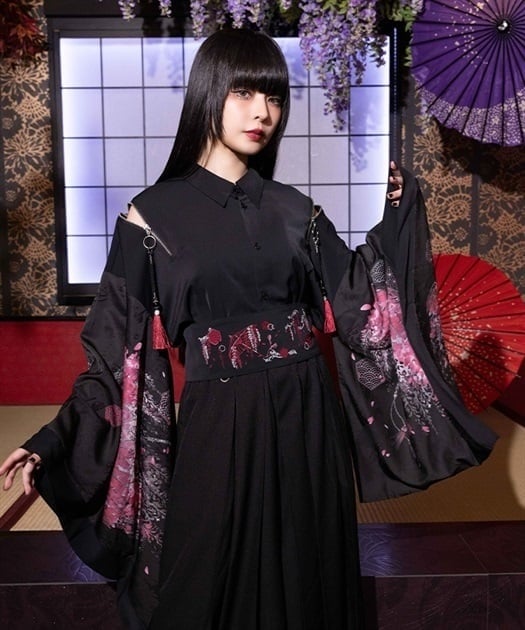
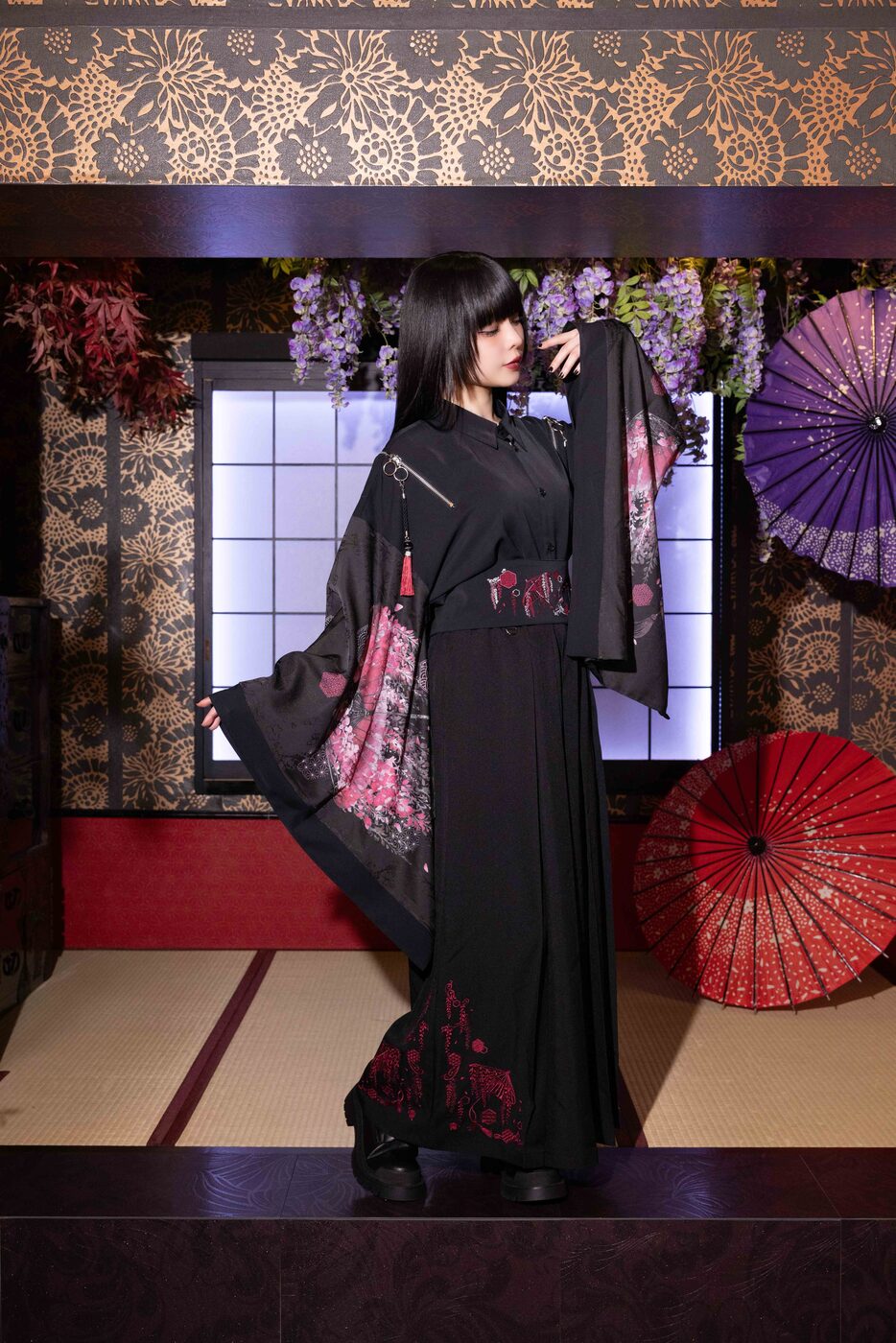
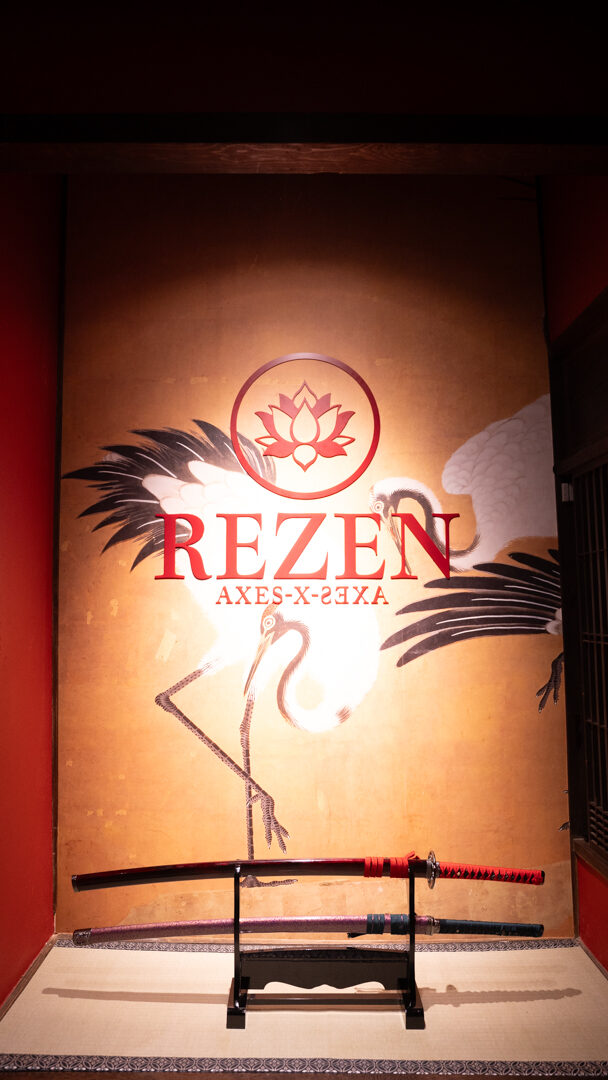
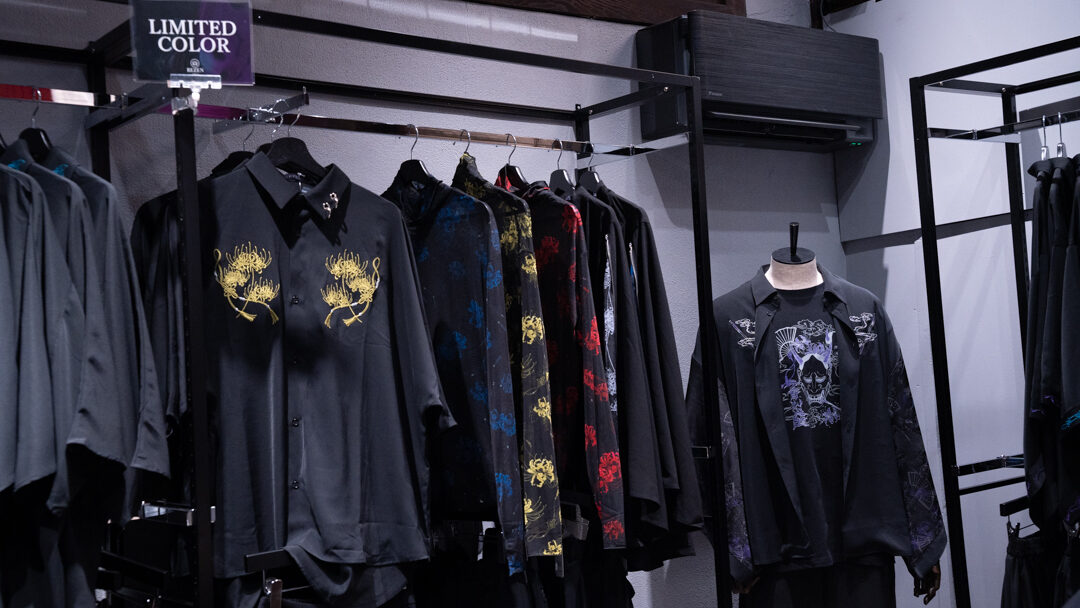
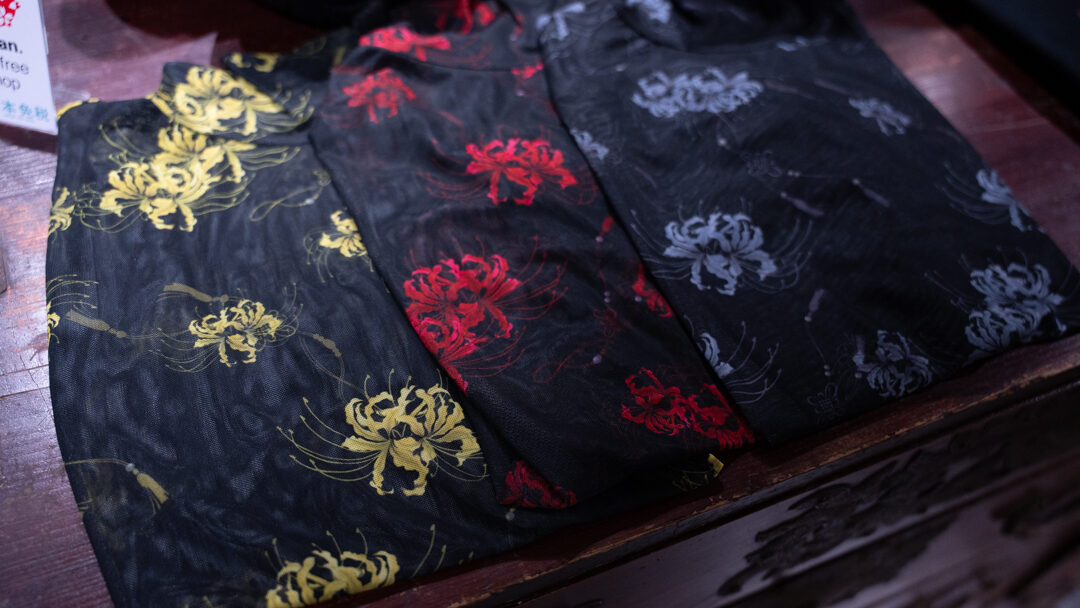
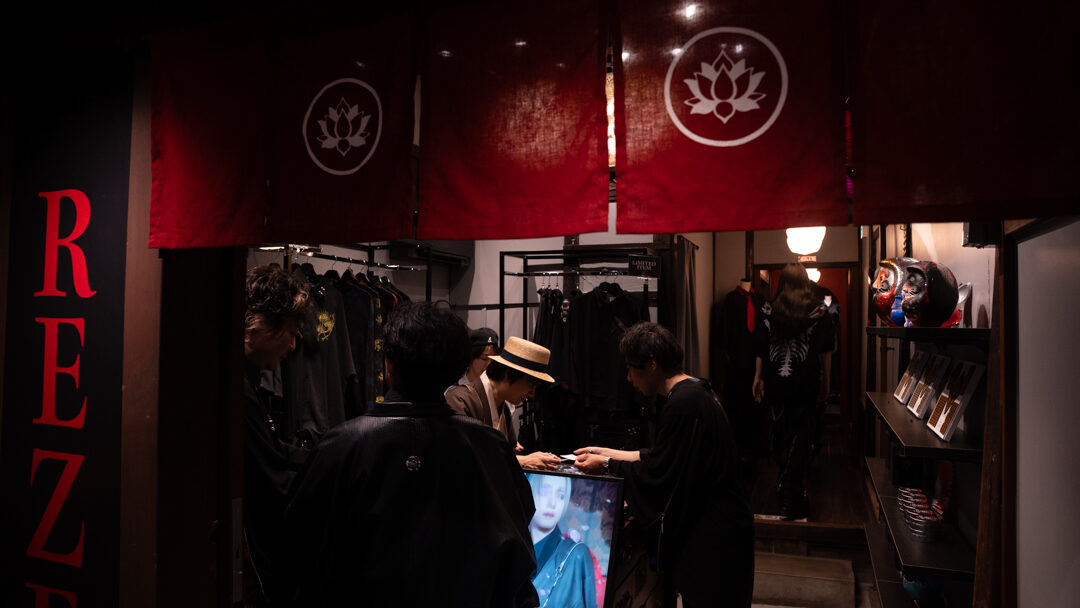
The brand name REZEN combines RE, meaning again, with Zen. Symbolized by its logo, a modern arrangement of a lotus crest, the brand expresses the joy of wearing culture and tradition through its Wa-Mode designs. They offer a diverse collection themed around Japanese culture and seasons—such as red spider lilies, chrysanthemums, lotuses, irises, wisteria, cherry blossoms, peonies, camellias, cranes, butterflies, Kabuki, Hanafuda, Onmyoji, foxes, and yokai. By adding contemporary designs and accent colors to traditional elements like haori, hakama pants, hakama skirts, and Japanese-style shirts, they have curated a sophisticated line of unisex items based in black. Let's explore the secrets behind how REZEN Kyoto, which proposes borderless fashion that transcends gender and era, helps customers find that one special piece through its approach to sizing.
Overcoming the 'Sizing Wall' in Japanese-Western Fusion Fashion
For customers accustomed to conventional Western sizing, Japanese-Western fusion unisex items can sometimes be confusing. The familiar standards of shoulder lines, sleeve length, and garment length can feel ambiguous when Japanese elements are introduced.
- Breaking Away from Conventional Sizing
Western clothing sizes have clear standards like S, M, L, and a good fit is considered ideal. However, in the Wa-Mode fashion proposed by REZEN Kyoto, the traditional Japanese concepts of yutori (roominess) and asobi (playfulness) are crucial. Drop shoulders, loose cuffs, and silhouettes that don't cling to the body are essential for expressing a Japanese aesthetic. This roominess can sometimes be perceived by customers as a poor fit.
- The Unique Challenge of Unisex Items
REZEN Kyoto's items are designed to suit both men and women, pursuing a borderless fashion that transcends gender and time. However, even with the same M size, the skeletal structures and body shapes of men and women differ significantly, requiring tailored styling suggestions for each. For example, when a woman wears hakama pants, the focus is not only on the waist fit but also on whether the overall silhouette compromises her feminine softness.
- The Gap Between Online and Physical Stores
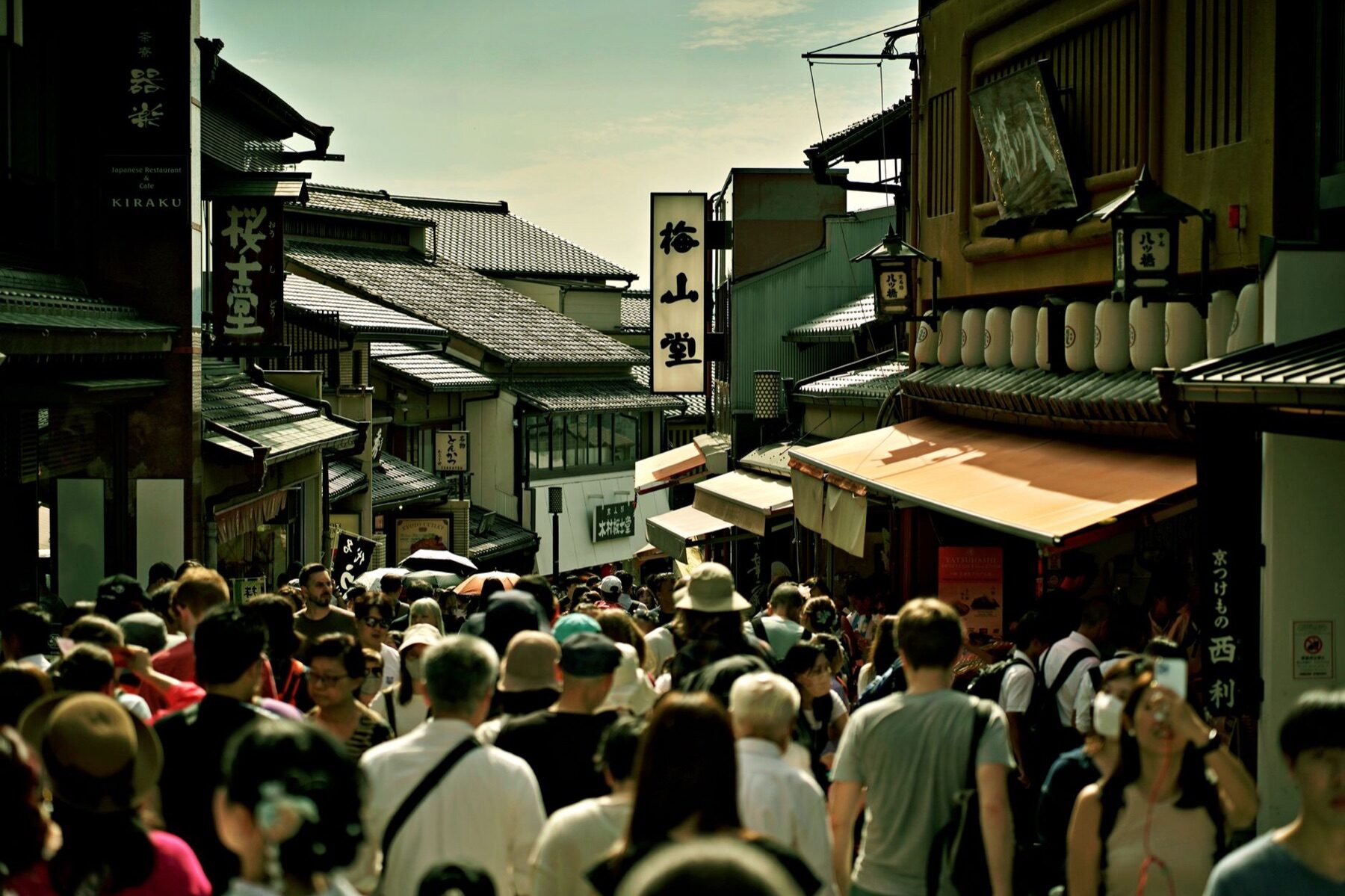
While online shopping has increased in recent years, one survey shows that about 70% of consumers feel anxious about choosing sizes when buying clothes online. For items with unique designs like those from REZEN Kyoto, the texture and wearing silhouette, which are difficult to convey on a screen, often become barriers to sizing. At the physical REZEN Kyoto store on Shinkyogoku Street, they offer an experience where customers can actually try on items and find a piece they love within a sophisticated and unique Japanese-Western fusion space.
The 'Sizing Dilemma' in Numbers
As store owners know, customer inquiries and returns related to sizing are not uncommon in the apparel industry. According to one study, about one in three customers who purchase clothing online have experienced returning an item due to sizing issues. Furthermore, it is said that about 60% of return reasons are because the size doesn't fit. For a store handling unique items like REZEN Kyoto, addressing this issue is key to improving customer satisfaction and securing repeat business.
The Sizing Secrets Proposed by REZEN Kyoto
REZEN Kyoto proposes a sizing approach that isn't bound by conventional concepts, allowing customers to fully experience the joy of wearing culture and tradition. They emphasize the presentation that brings out the wearer's personality and style, rather than simply fitting their body shape.
1. Proposing Styles That Utilize 'Yutori' (Roominess)
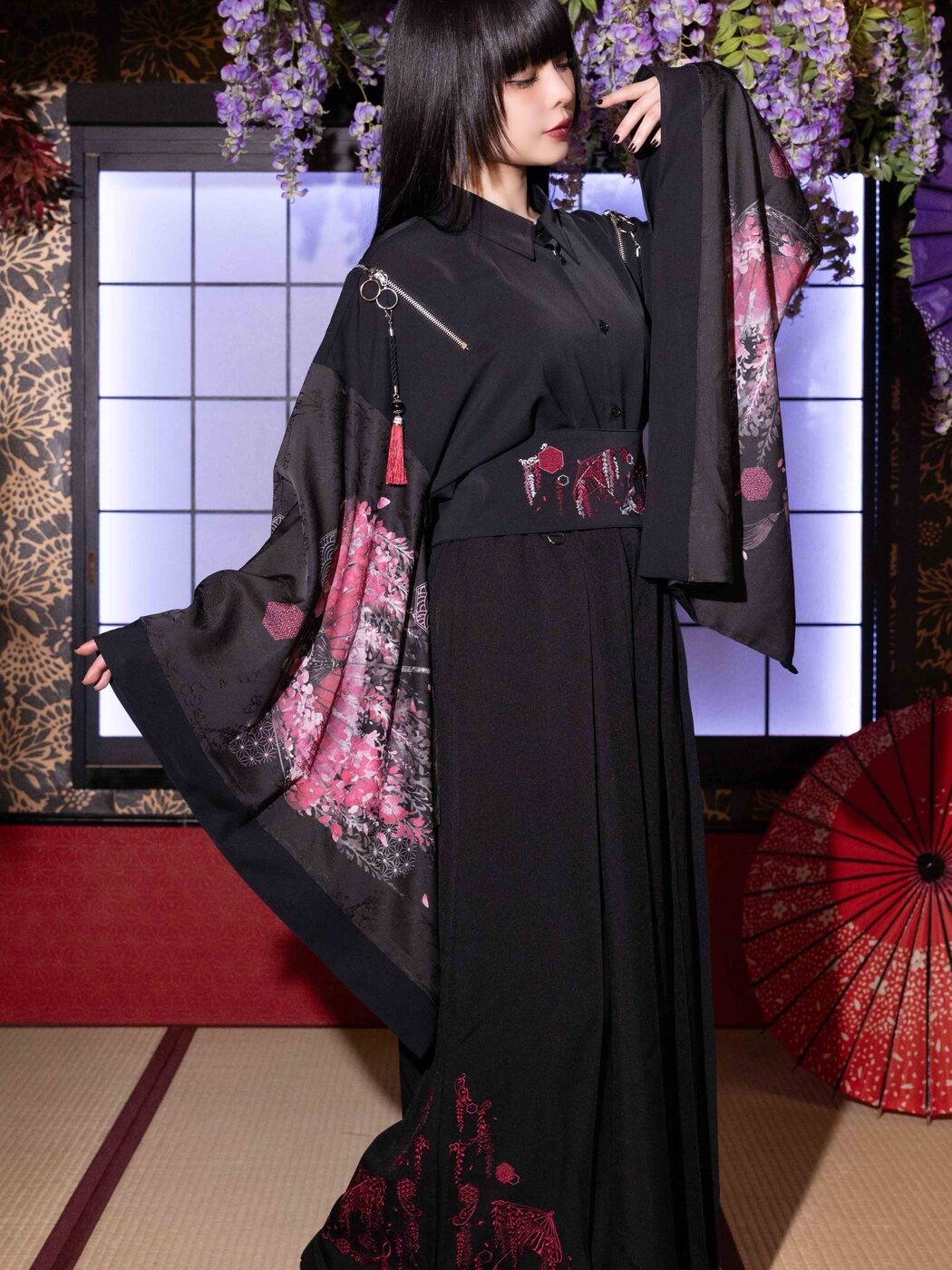
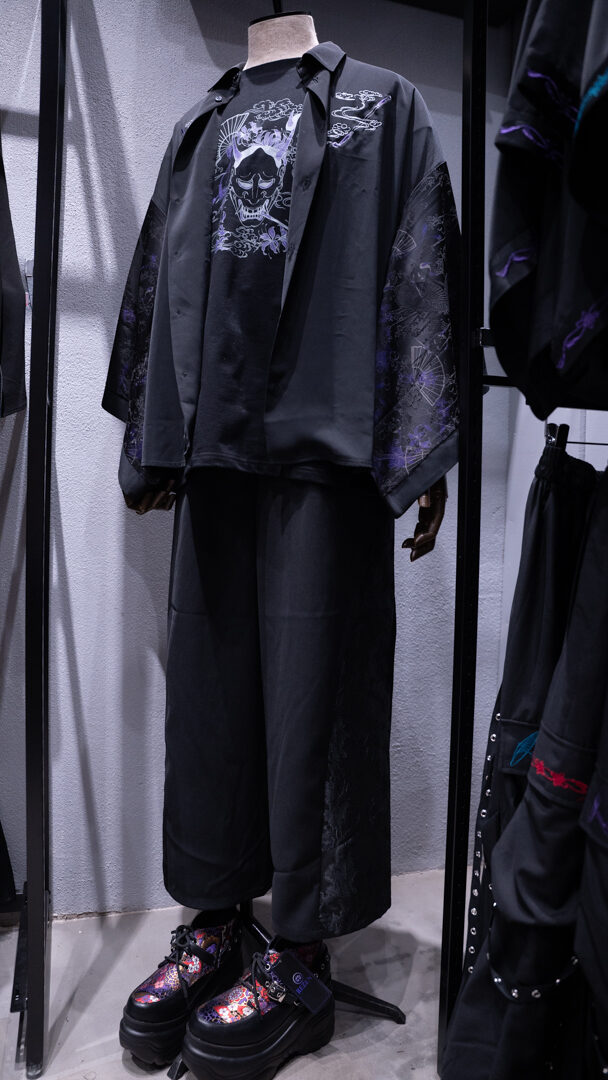
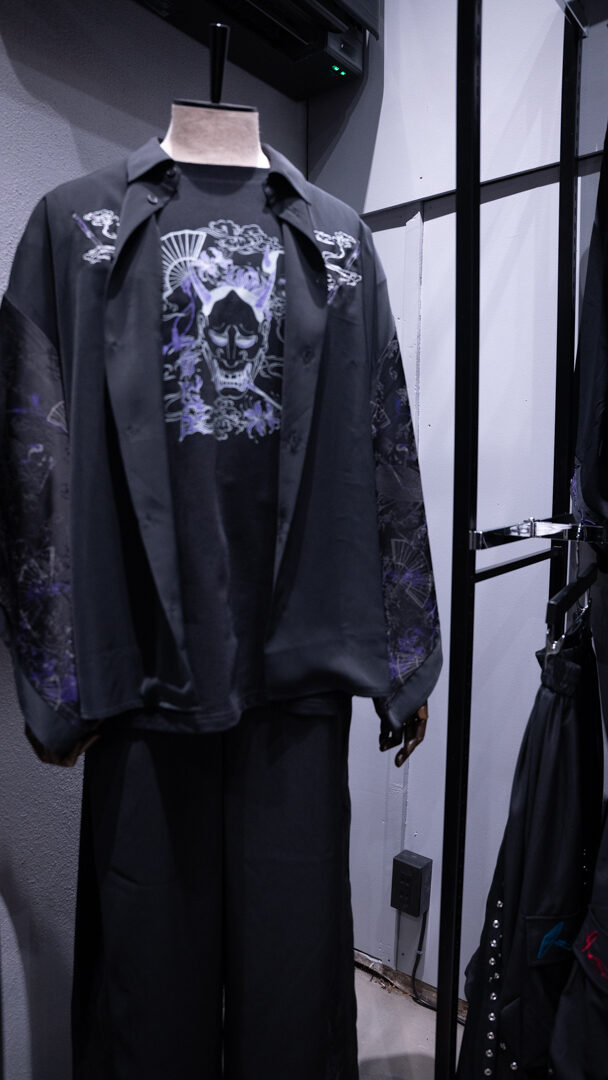
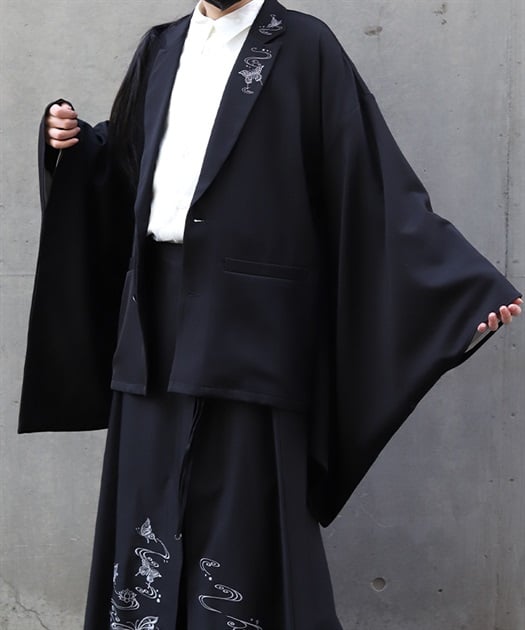
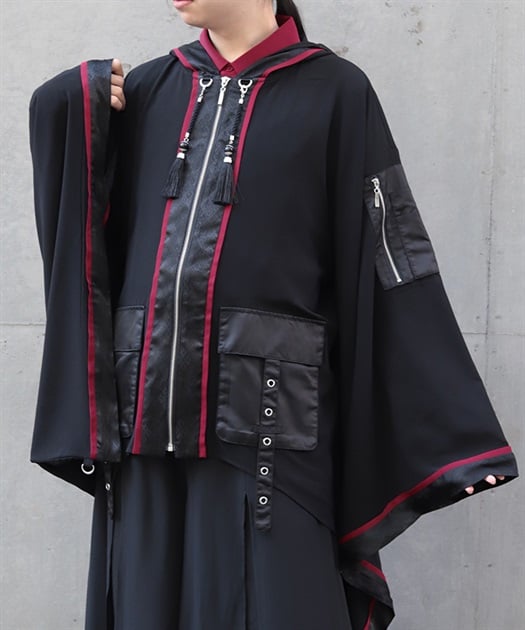
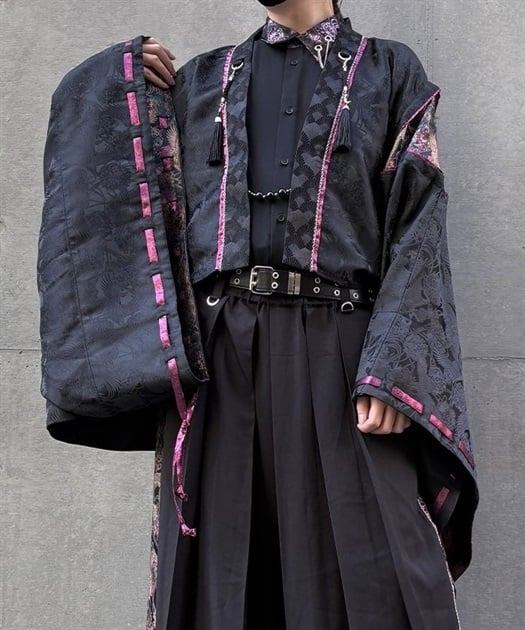
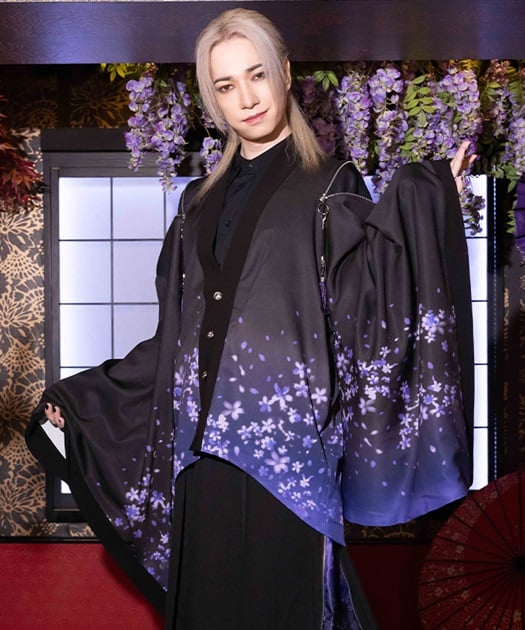
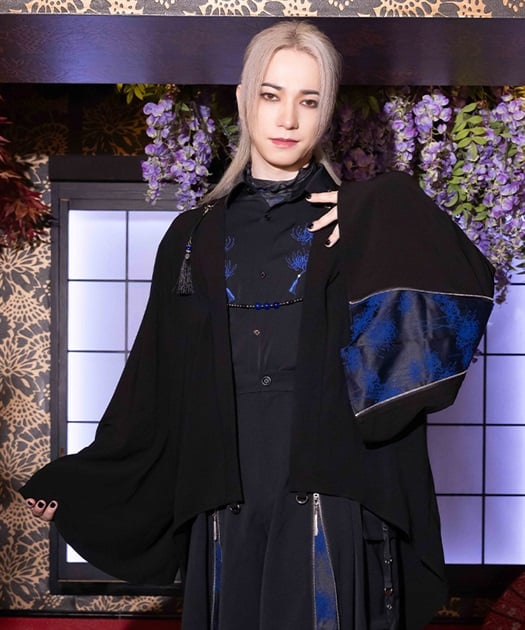
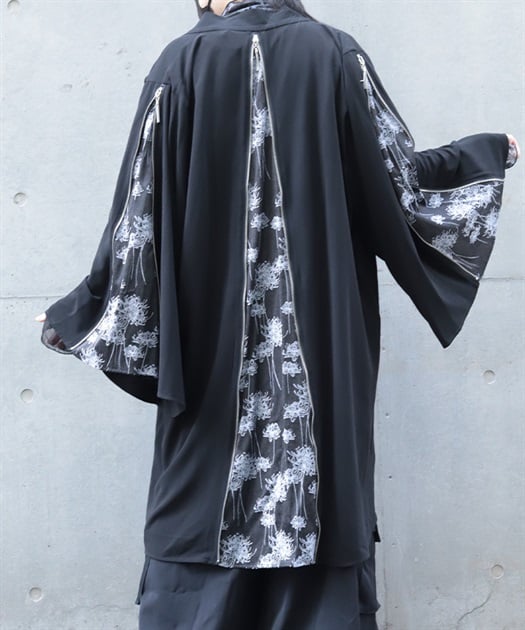
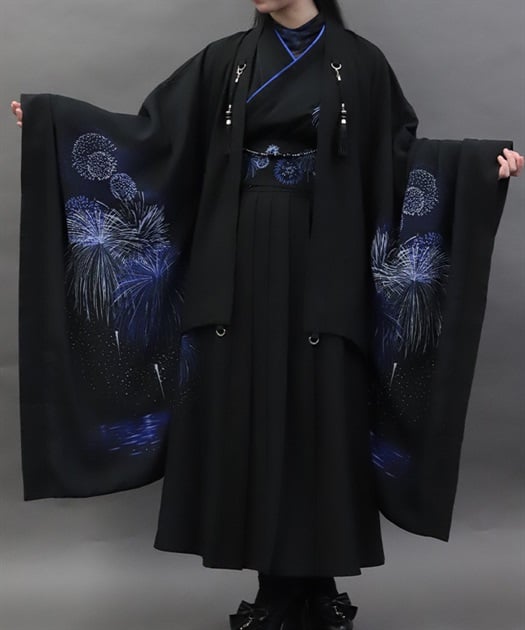
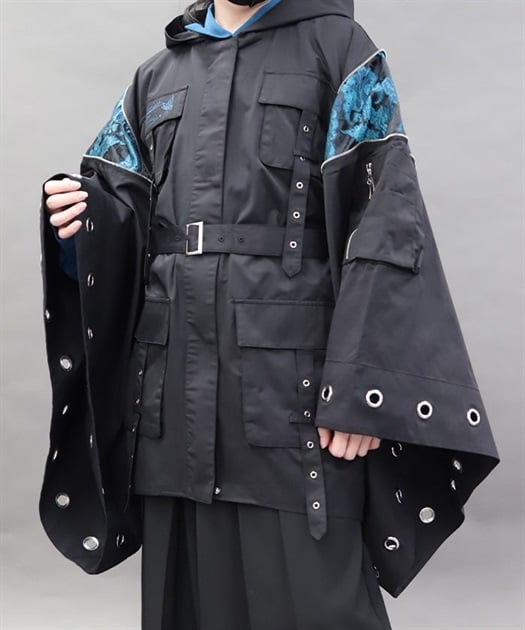
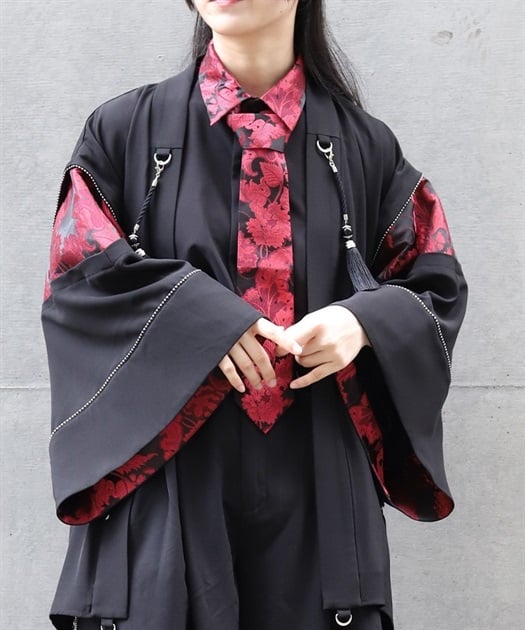
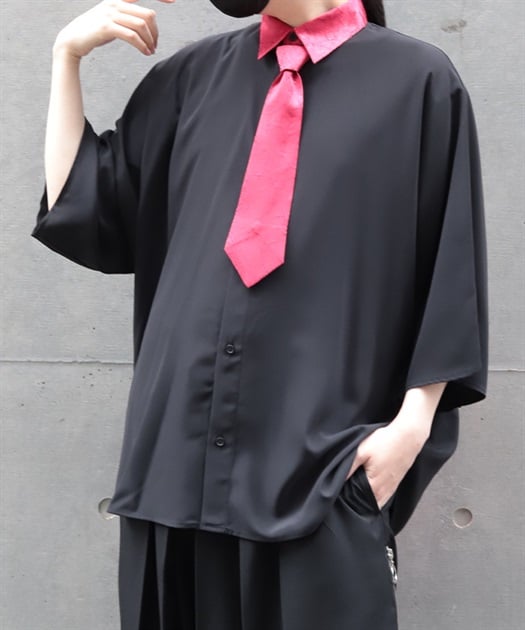
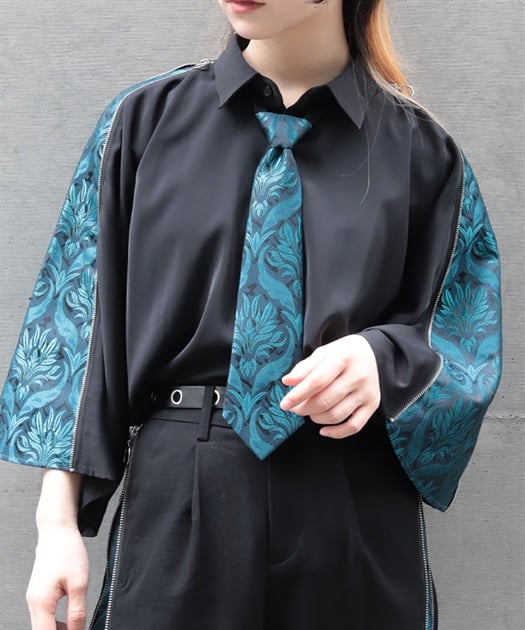
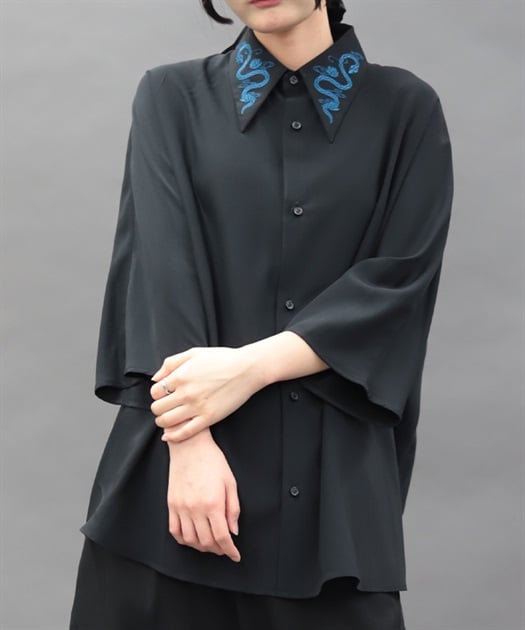
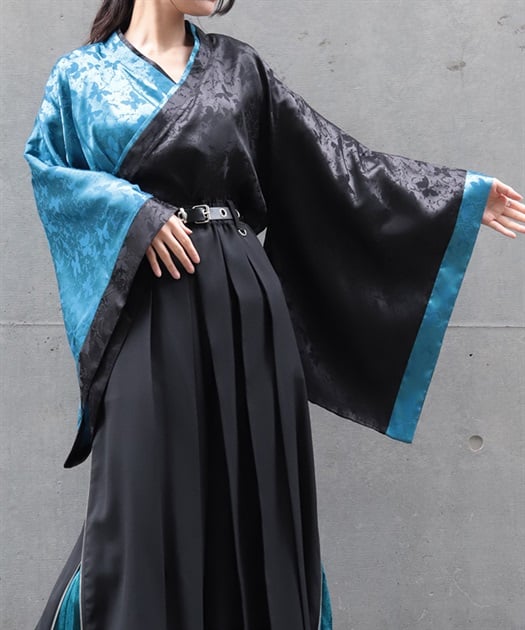
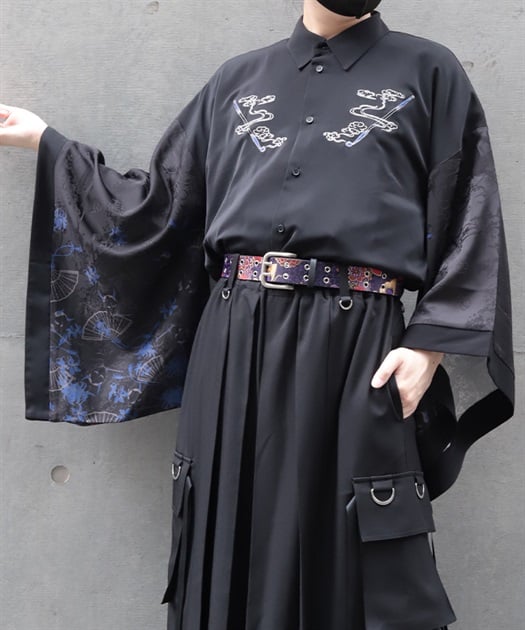
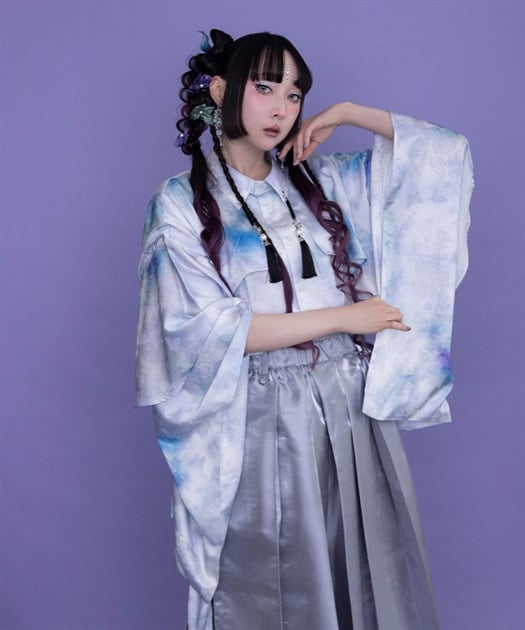
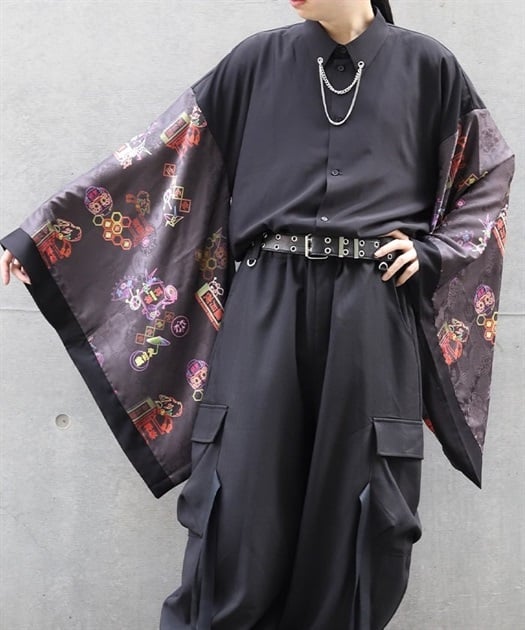
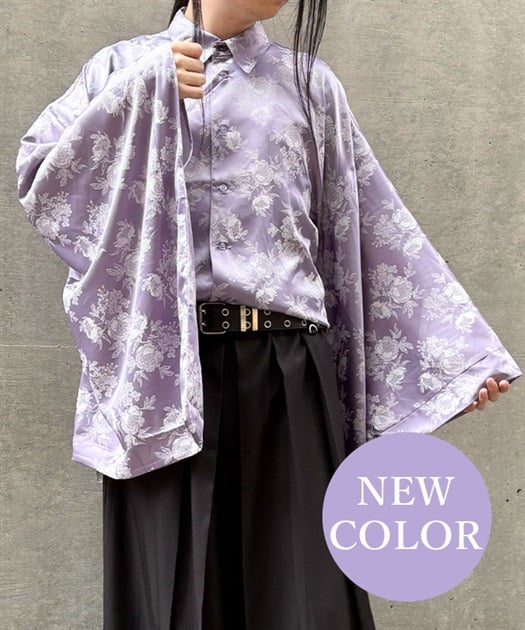
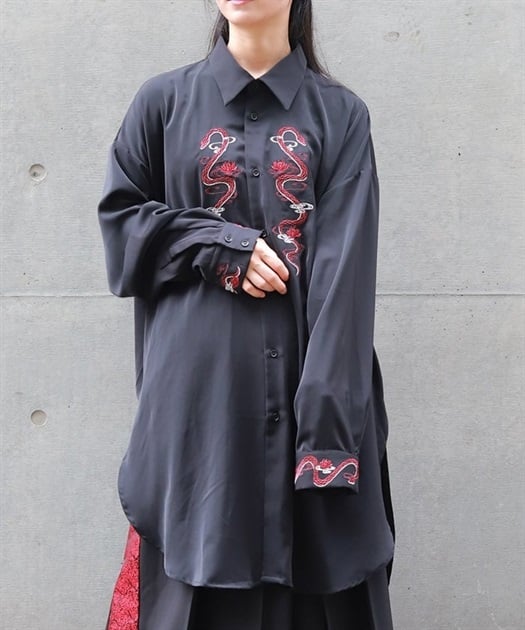
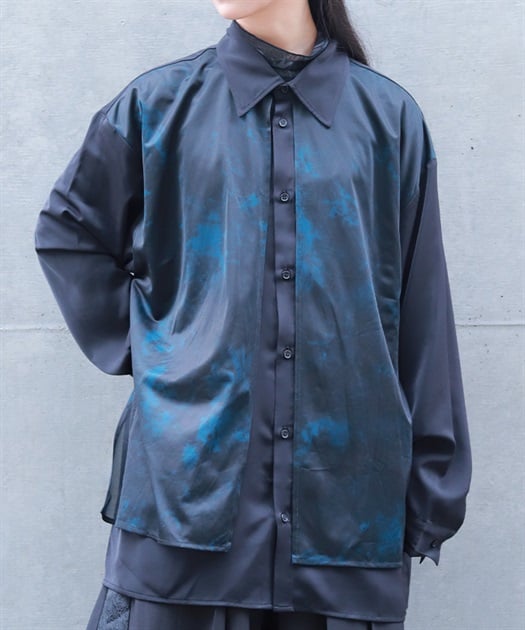
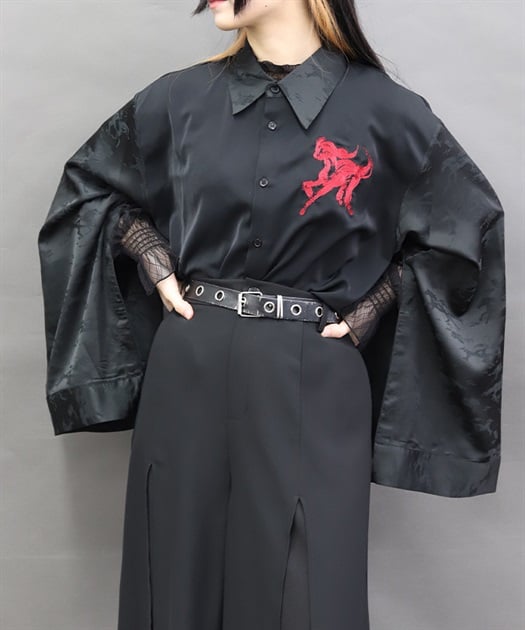
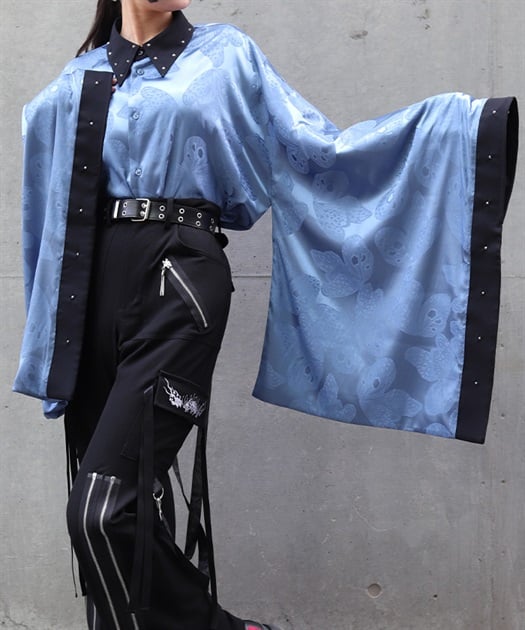
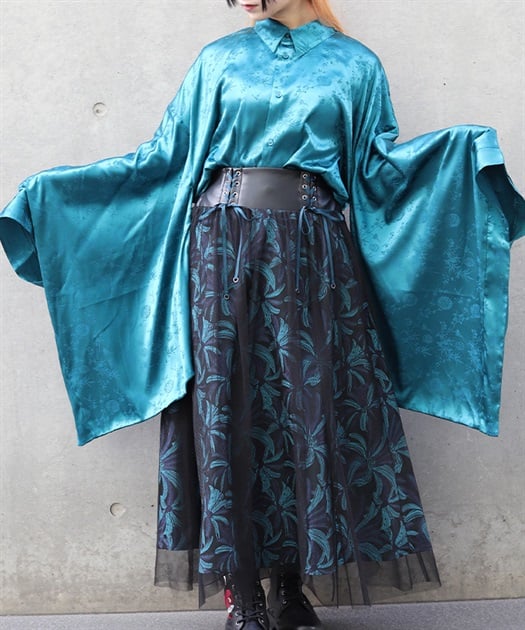
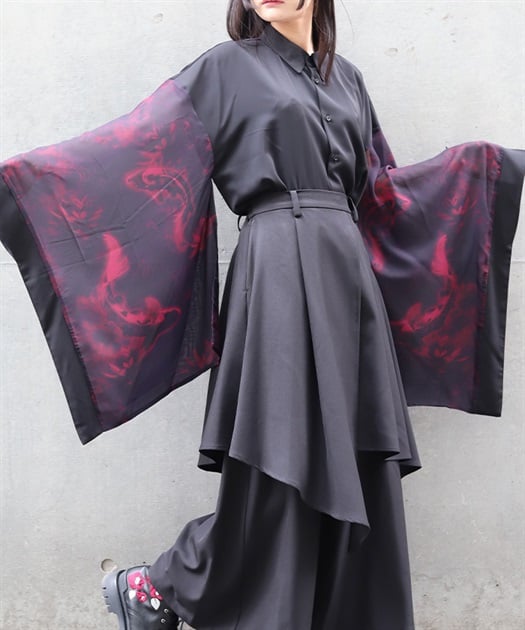
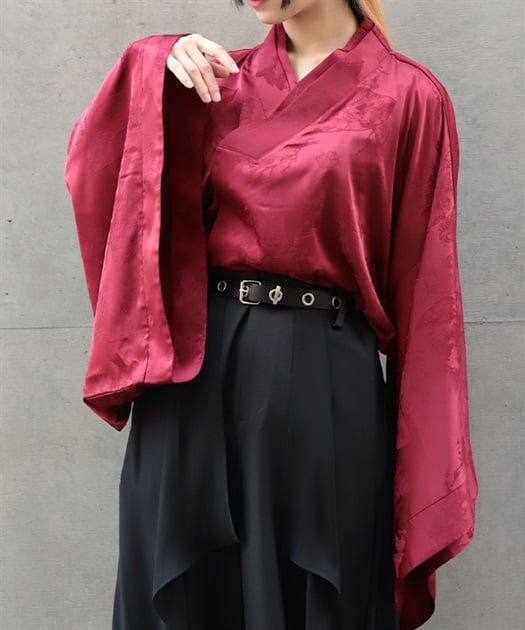
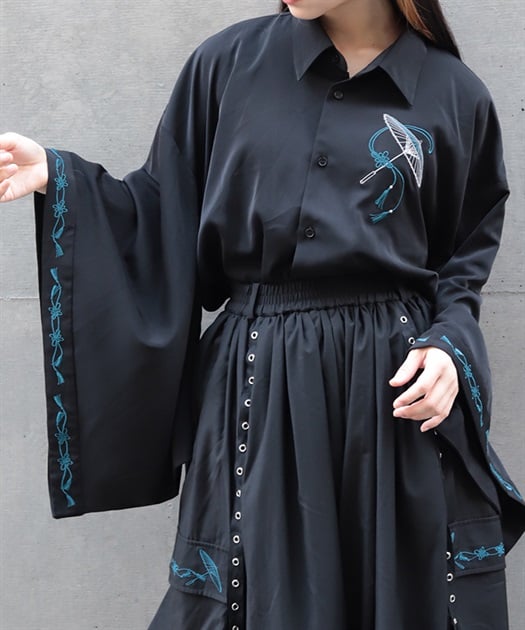
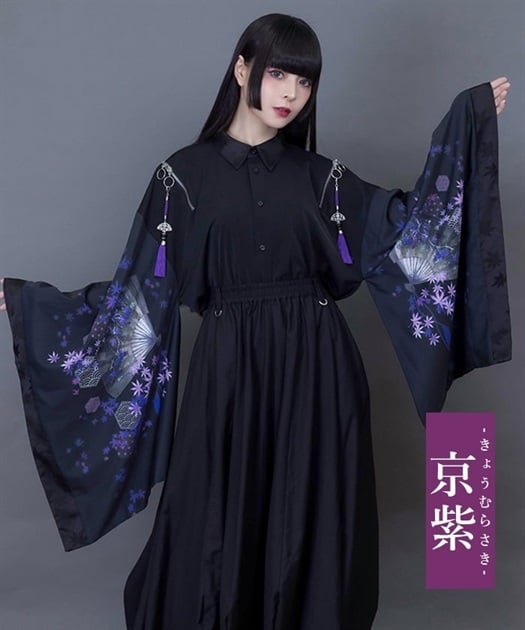
A major feature of REZEN Kyoto's Wa-Mode fashion is its modern interpretation of the roominess inherent in Japanese clothing. For instance, haori jackets and Japanese-style shirts are designed with intentionally dropped shoulders and wide cuffs that do not restrict arm movement. This not only provides body coverage but is also a deliberate design to beautifully showcase the drape and flowing silhouette created when worn.
- Balance of Length and Width
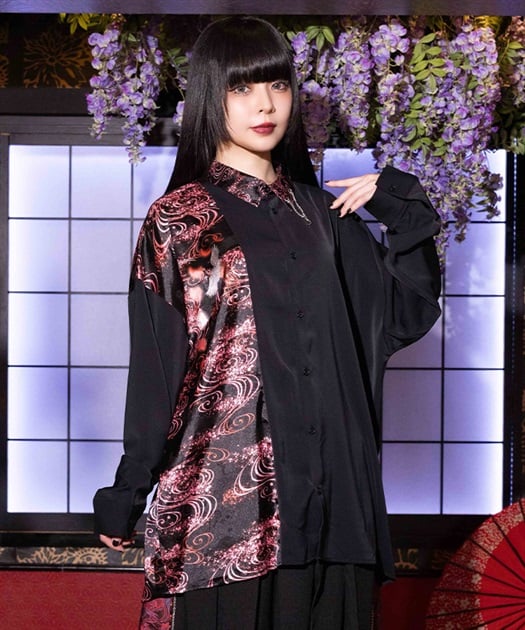
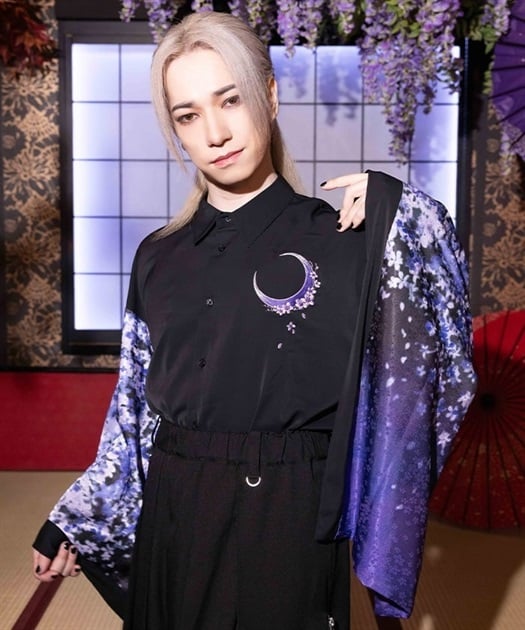
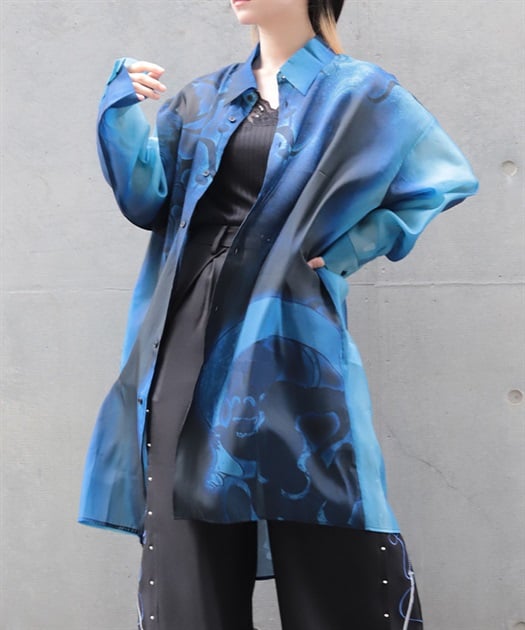
While just size is generally recommended for Western clothing, with REZEN Kyoto's items, choosing a longer length for a haori, for example, that covers the hips creates a more modern and sophisticated impression. A roomier width allows for versatile layering without being picky about innerwear.
- Playfulness in Sleeve Length
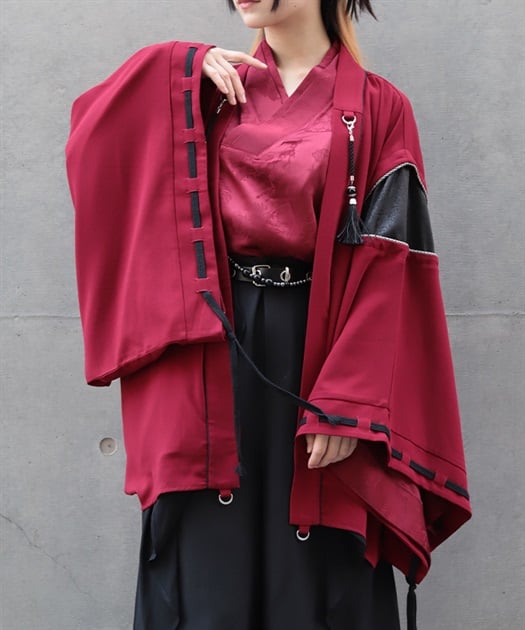
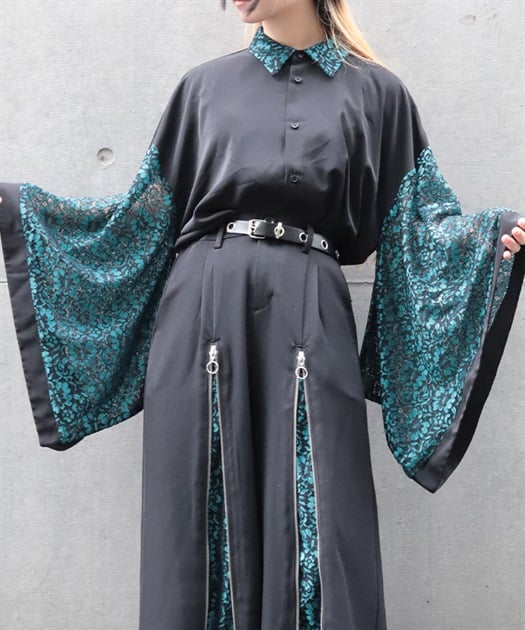
For Japanese-sleeve shirts and haori, choosing a longer sleeve length that covers the back of the hand or shows just the fingertips achieves a balance between Japanese taste and a modern, relaxed feel. The design looks stylish even with rolled-up sleeves, combining functionality and design.
- Silhouette of Hakama Pants
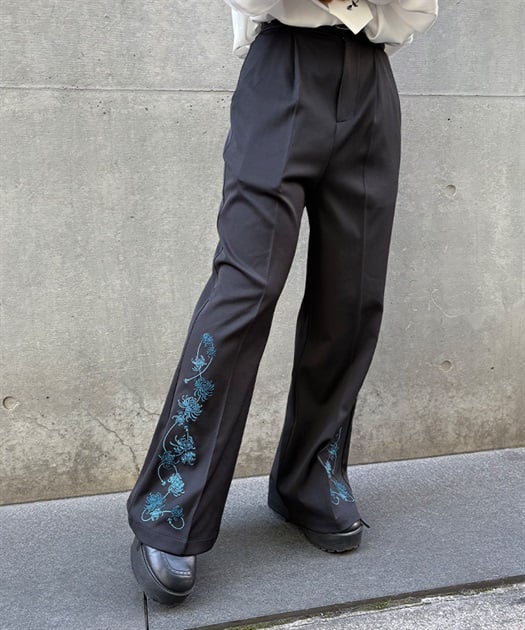
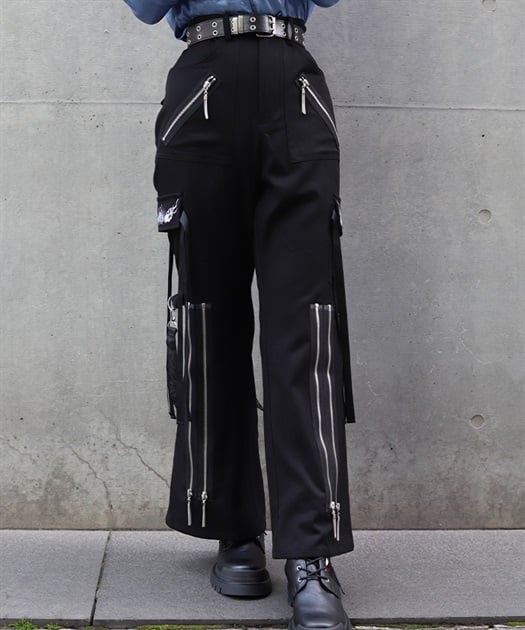
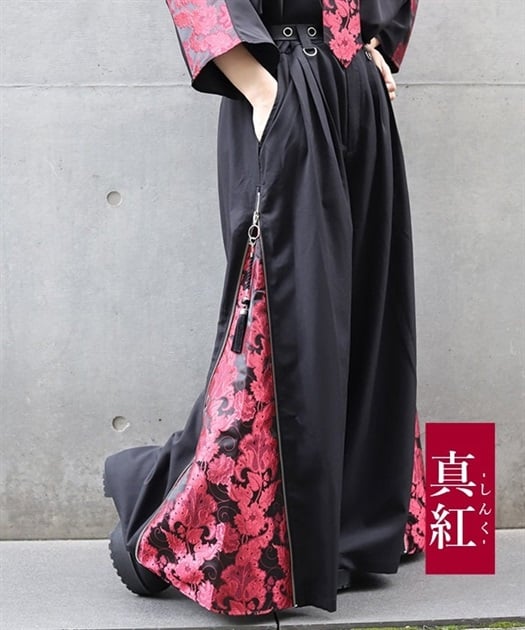
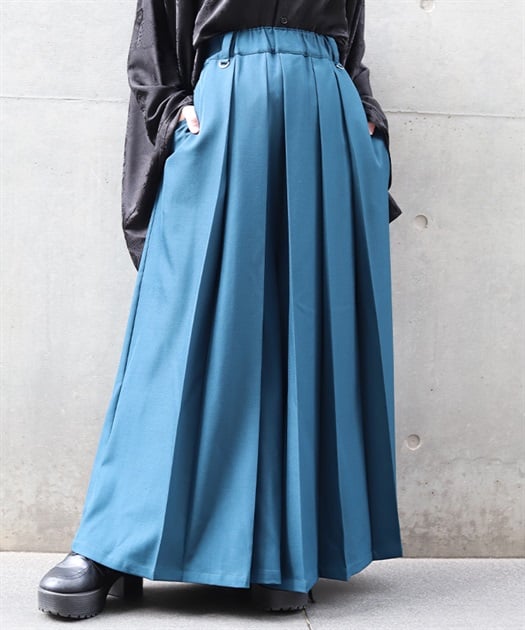
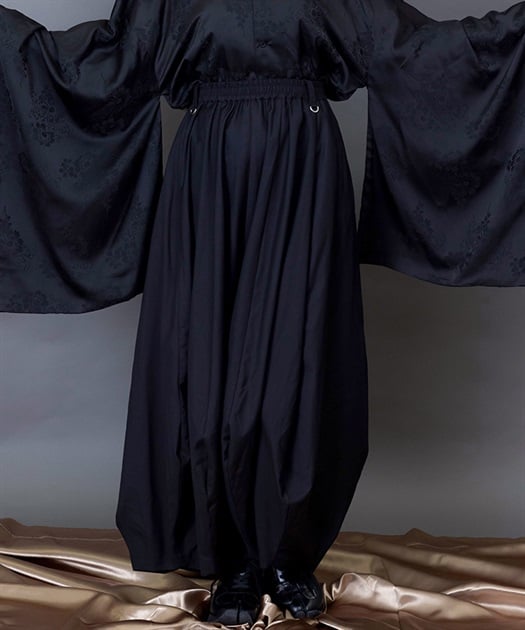
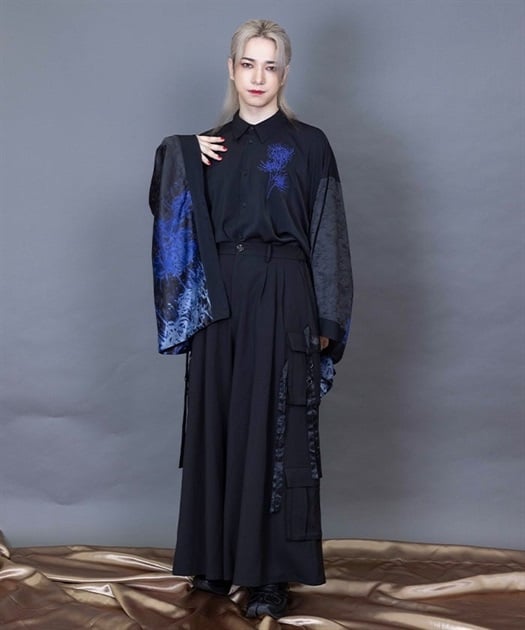
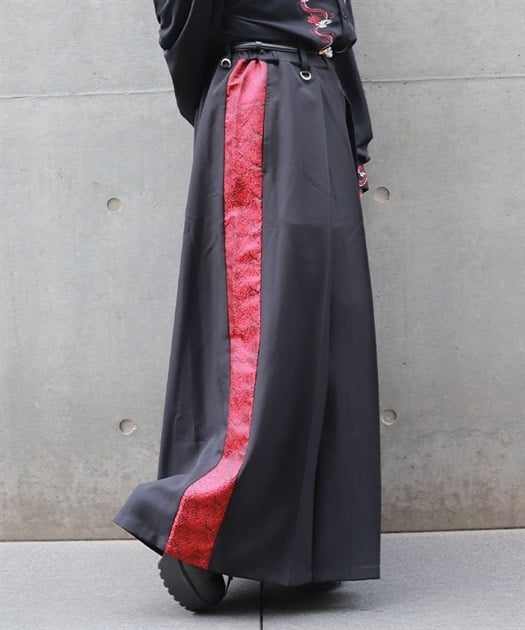
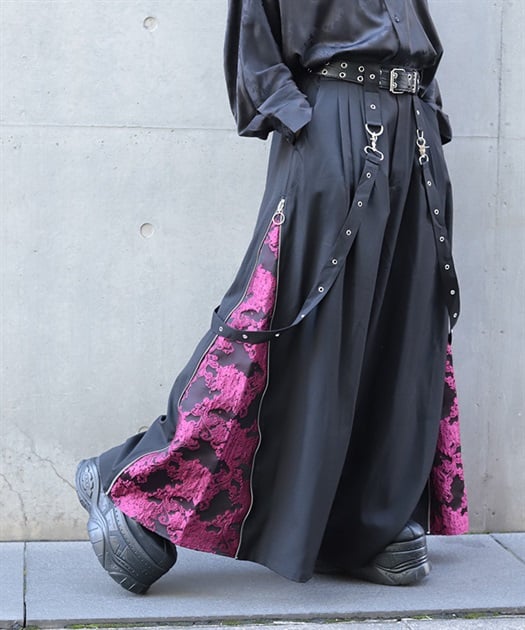
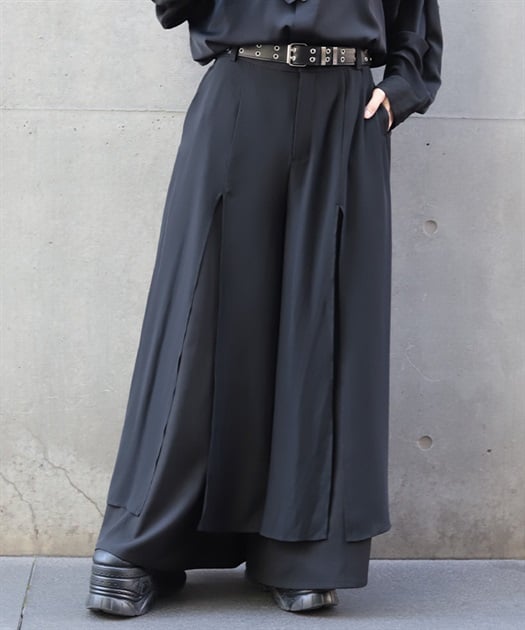
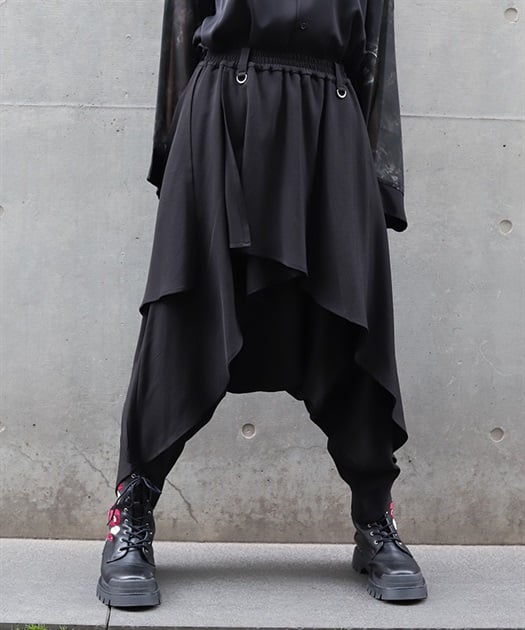
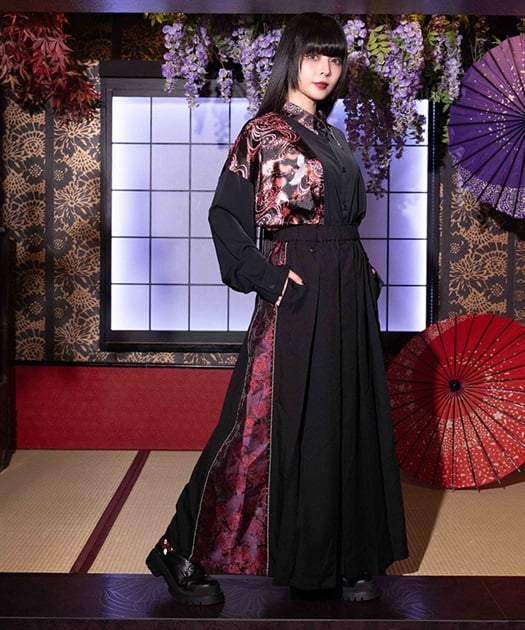
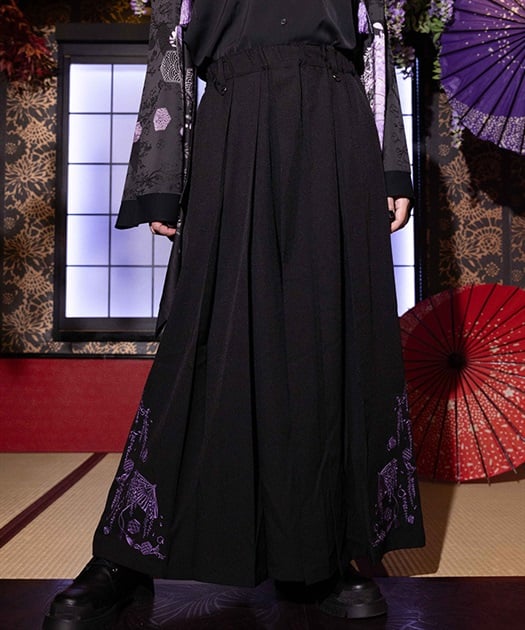
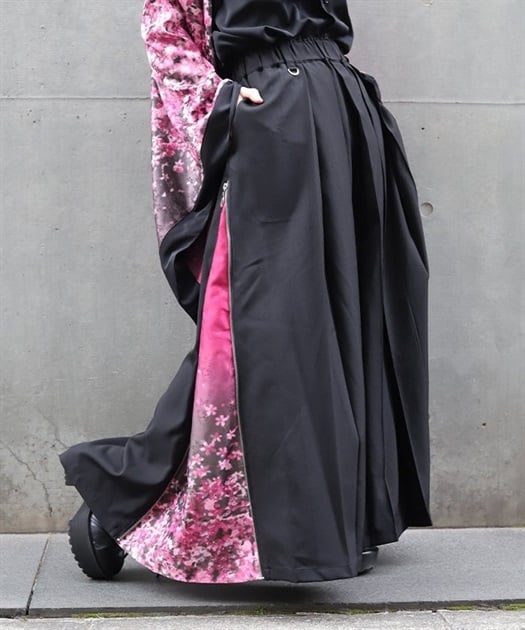
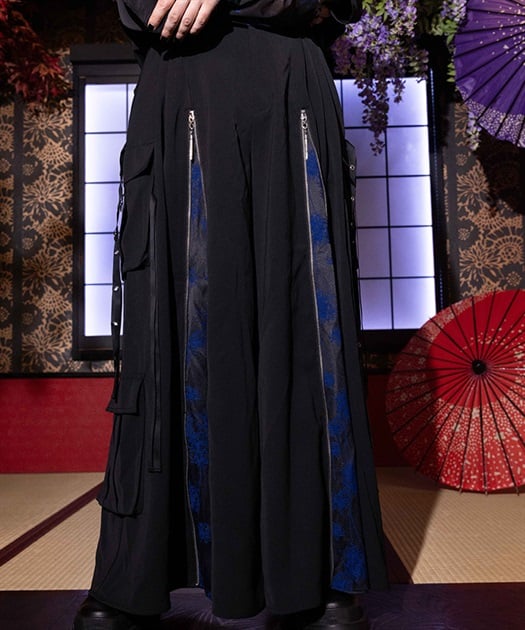
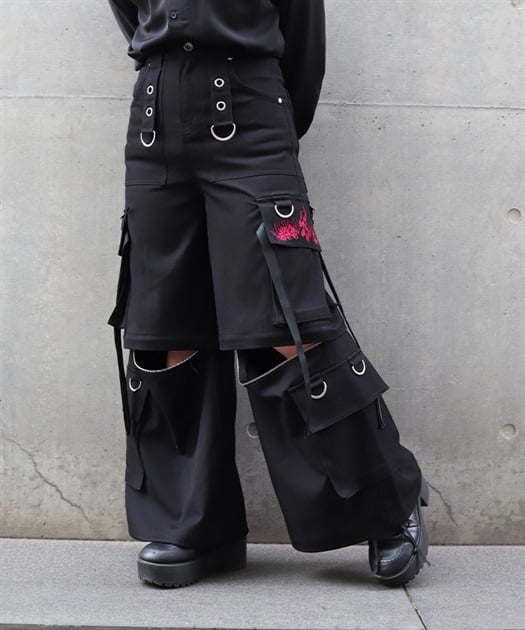
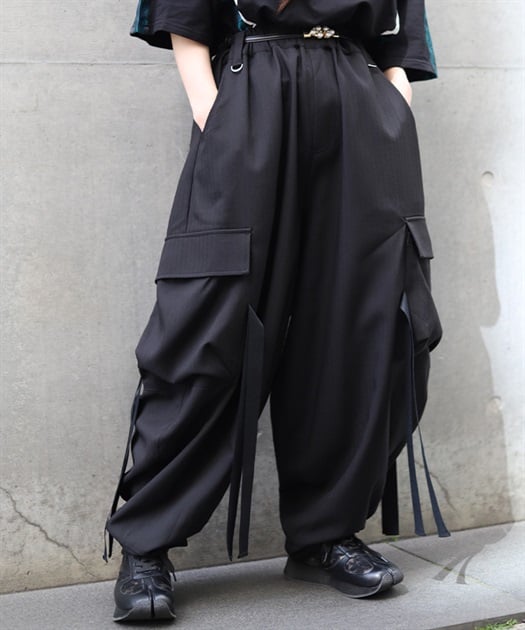
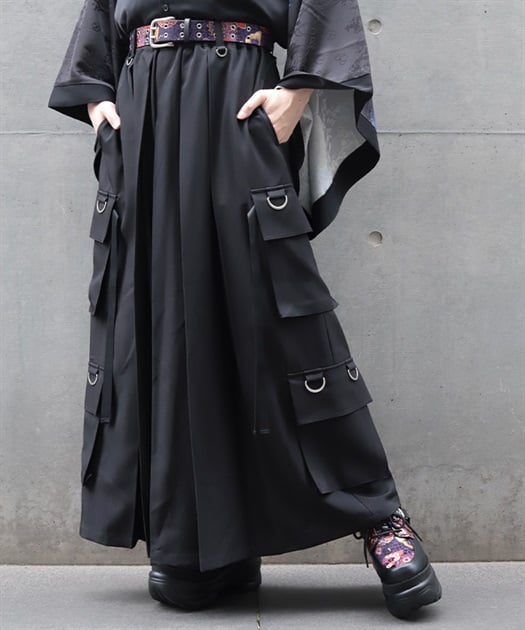
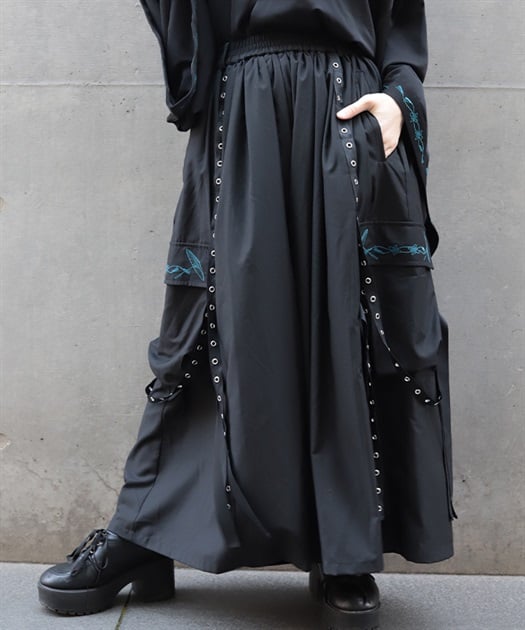
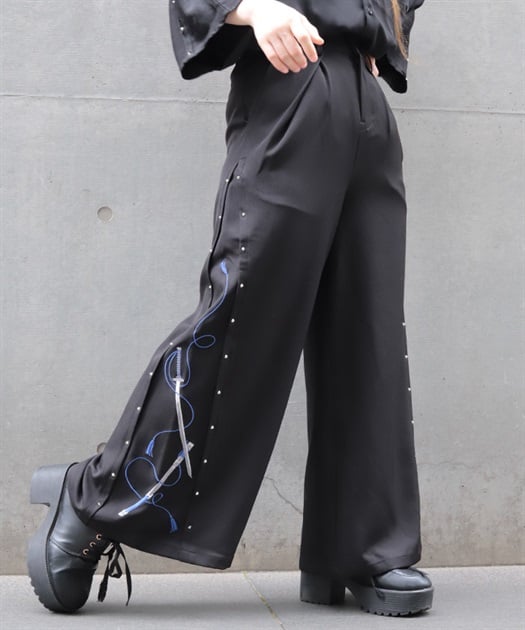
Hakama pants come in various styles, such as wide silhouettes that flare towards the hem or jogger types tapered at the ankle. Many have adjustable waists, so rather than judging solely by waist size like conventional pants, the focus is on the length and the fall of the hem. For example, the Pleated Hakama Cargo Pants (¥15,400) feature distinctive volume at the hem, and choosing the right fit involves considering potential hemming based on height and how the footwear will be showcased.
2. Fitting Unisex Designs to Suit Individual Style
REZEN Kyoto's items are designed to be worn across genders. Therefore, it is crucial to flexibly propose the optimal size according to the customer's body type and desired image.
- Suggestions for Male Customers
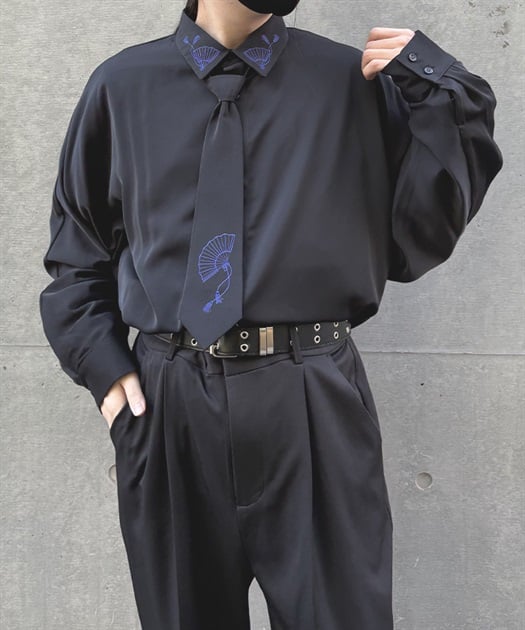
When men wear REZEN Kyoto's items, the sizing choice should aim to enhance their strength and sharpness. For example, a haori can create a strong presence with a relaxed silhouette that doesn't over-emphasize the shoulders. For hakama pants, suggesting a size larger than usual to create an intentionally loose feel can be effective for achieving both mobility and style.
- Suggestions for Female Customers
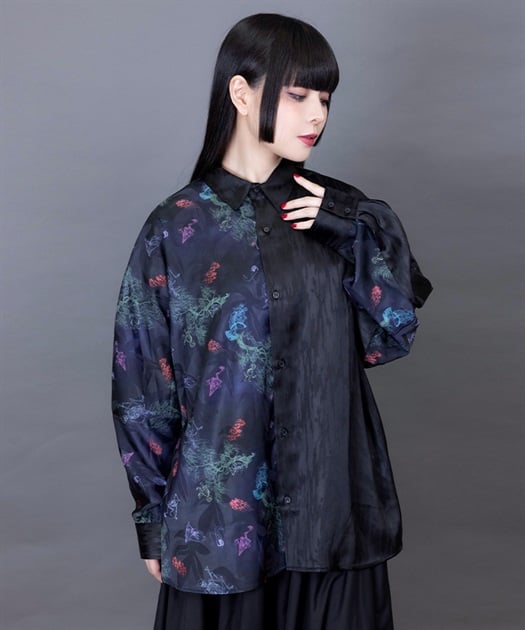
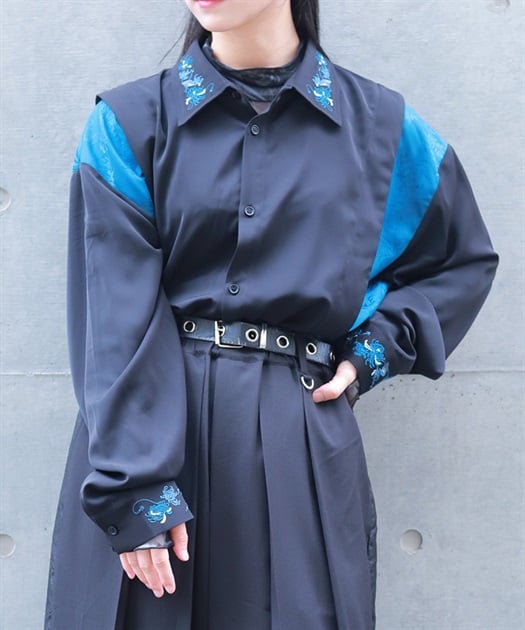
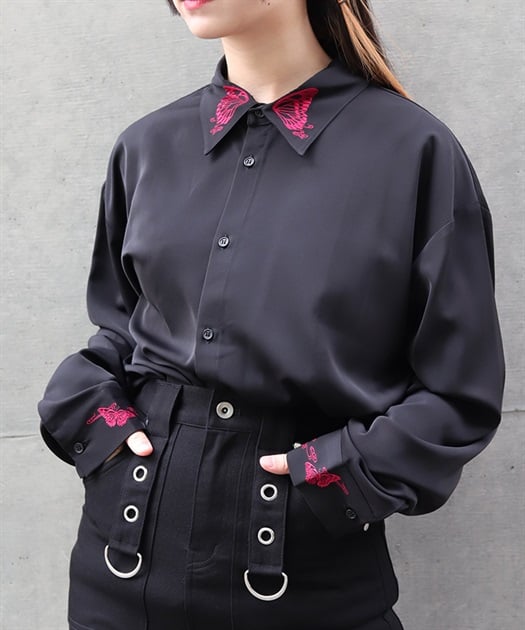
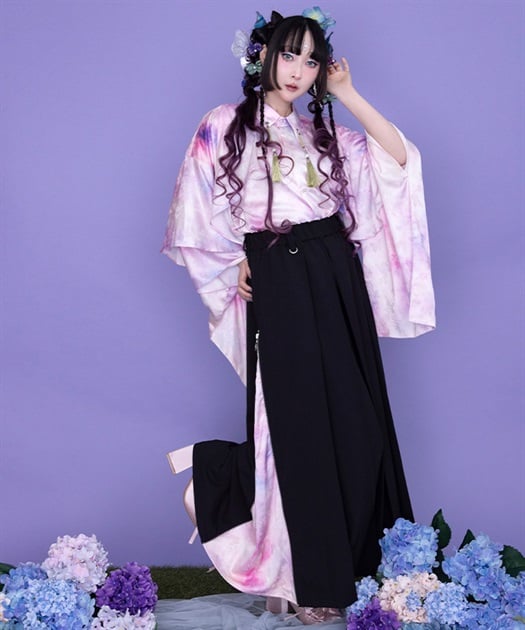
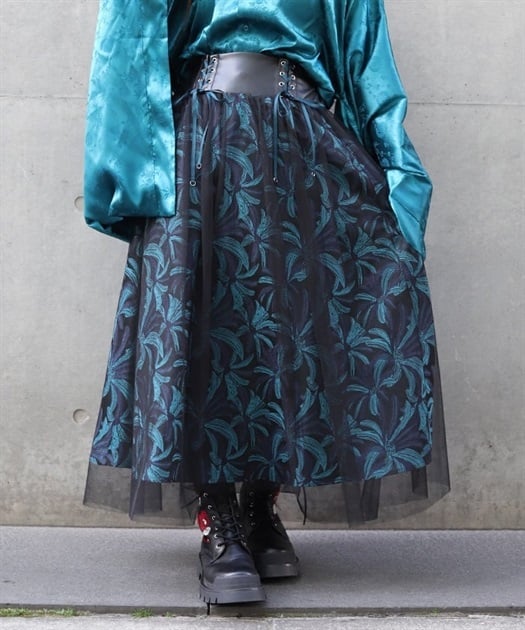
When women wear REZEN Kyoto's items, the sizing should be chosen to bring out Japanese elegance and modern delicacy. A fit that is not too tight and doesn't cling to the body—that roominess—lends a soft, feminine impression. For instance, by choosing a slightly larger size of the Kimono Collar Colorblock Shirt (¥11,550), a woman can wear it like a tunic or pair it with slim pants to accentuate a delicate frame. The impression of a hakama skirt also changes dramatically with waist position and length, so suggestions that consider heel height and accompanying tops are effective.
- Effective Use of Accent Colors
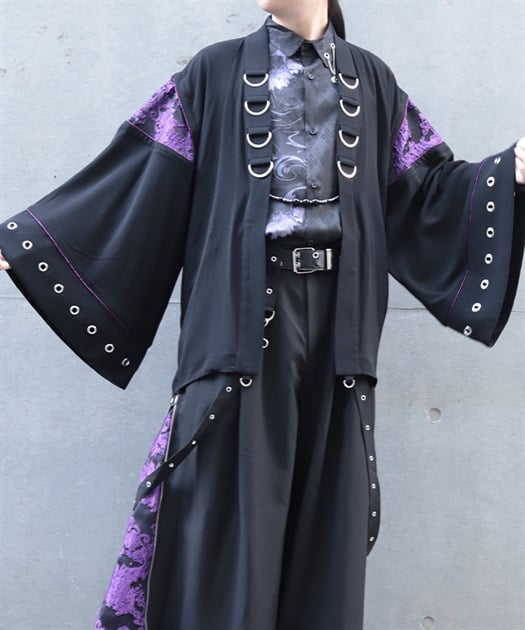
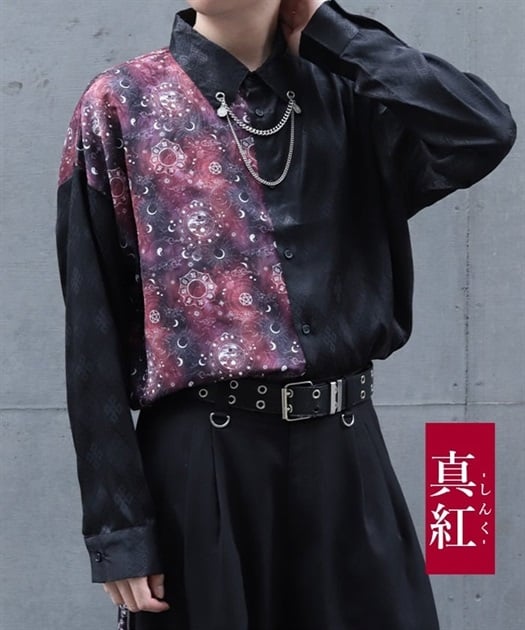
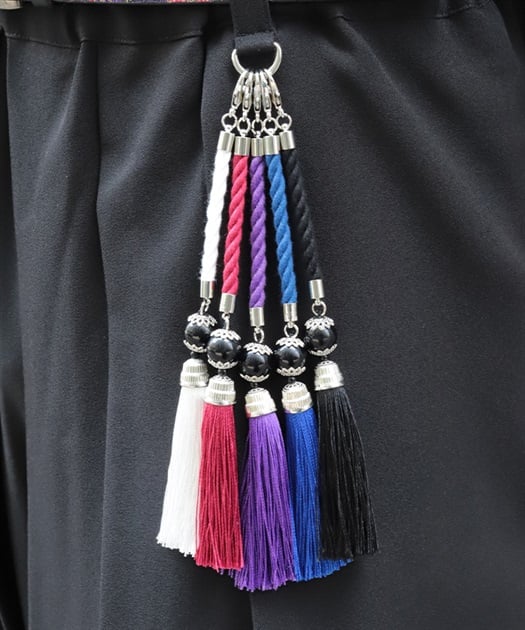
While based in black, REZEN Kyoto's items incorporate modern accent colors. Sizing that leverages these colors is also important. For example, the Tassel Accent Colorblock Haori (¥13,750) features tassels as an accent. To ensure this accent doesn't disrupt the overall balance, suggestions should be made considering the balance with the garment's length and width, as well as the customer's personal color and preferences, to draw out a more personal charm.
3. Creating Value Through In-Store 'Experience': Fitting and Consultation
Even in this age of online information gathering, the in-store fitting experience offers irreplaceable value in size selection. Especially for a unique brand like REZEN Kyoto, there's a certain comfort and silhouette that can only be felt by actually trying on the garment. One study shows that the satisfaction of customers who purchase after a fitting is about 35% higher than those who only purchase online.
- Detailed Advice from Expert Staff
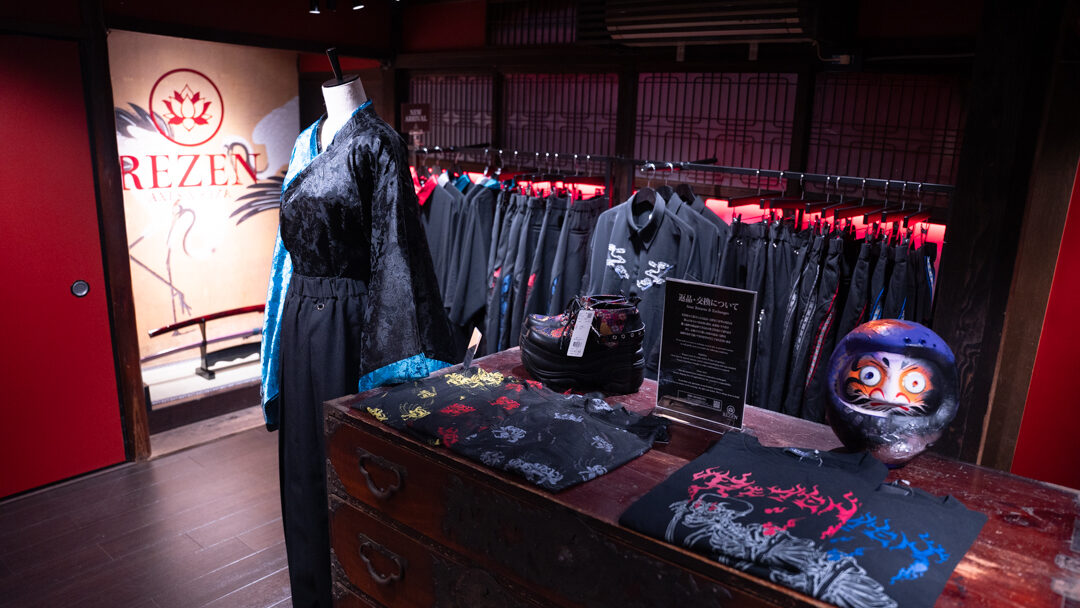
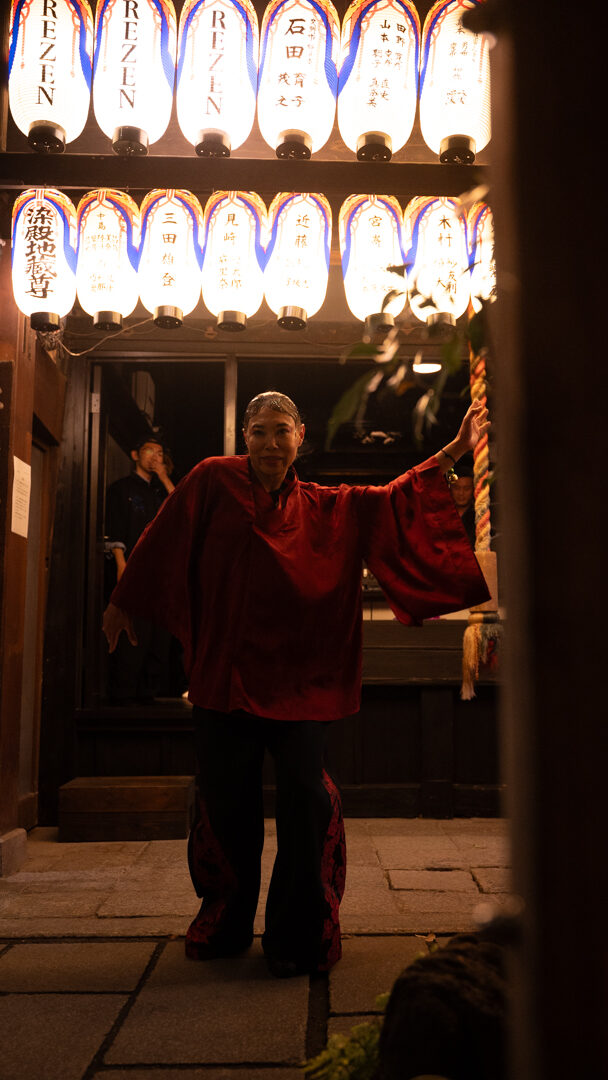
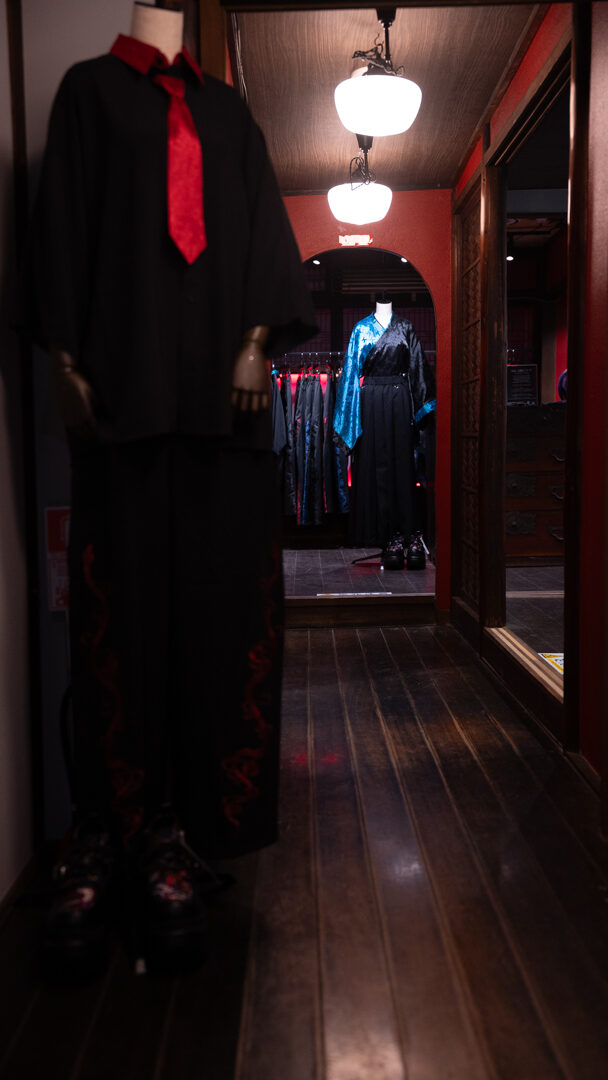
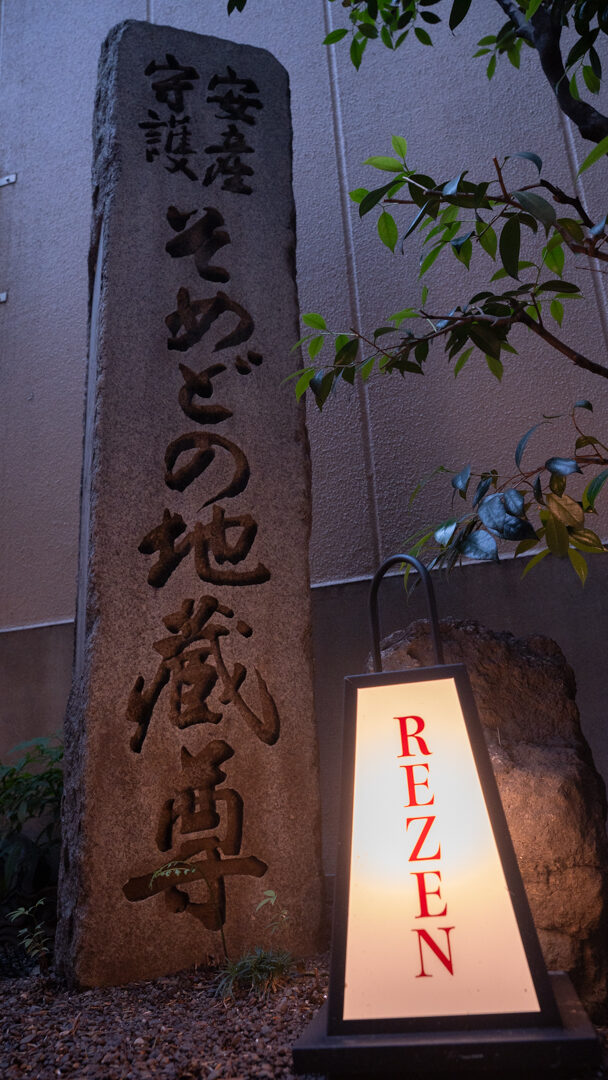
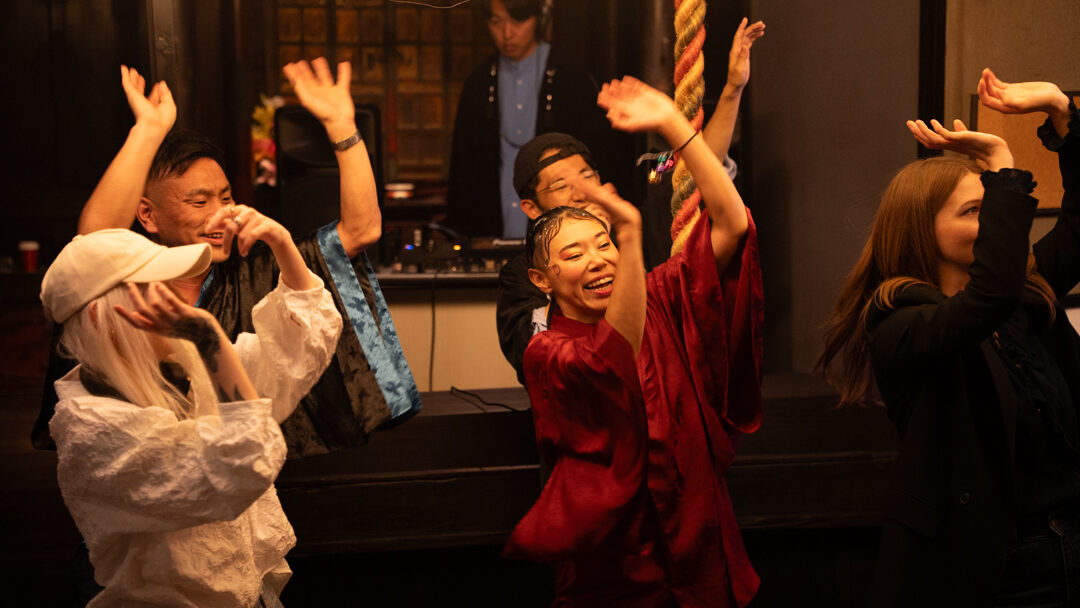
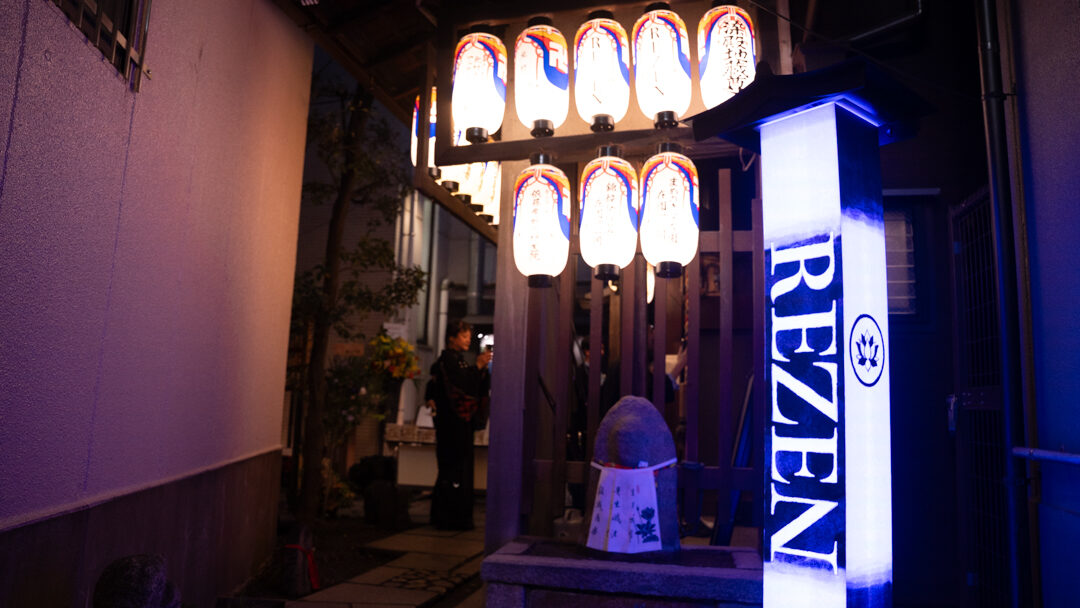
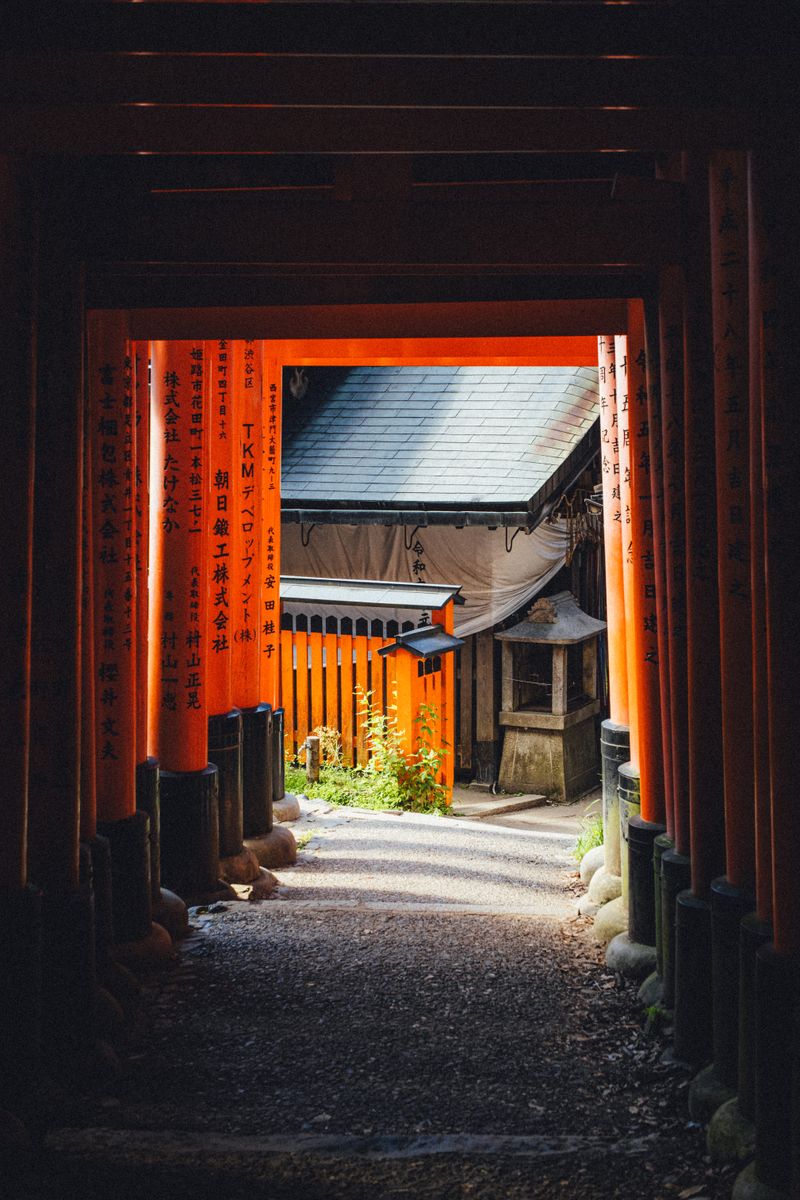
At the REZEN Kyoto store on Shinkyogoku Street, a special experience begins the moment a customer passes through the temple-like exterior and enters the unique, sophisticated Japanese-Western fusion space. Experienced staff provide concrete advice not only on the optimal size for each customer's body type and preference but also on styling tips and combinations with other items. For example, a specific suggestion might be, For these hakama pants, choosing a slightly looser fit than your usual waist size and cinching it with a belt creates a more sophisticated look.
- Providing the Opportunity to Try Multiple Sizes
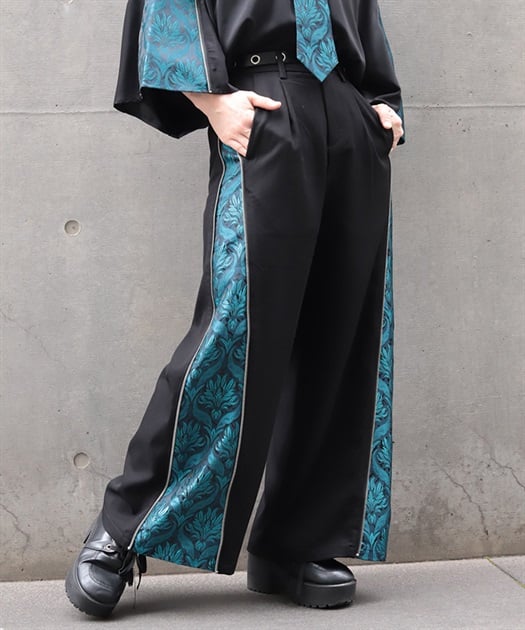
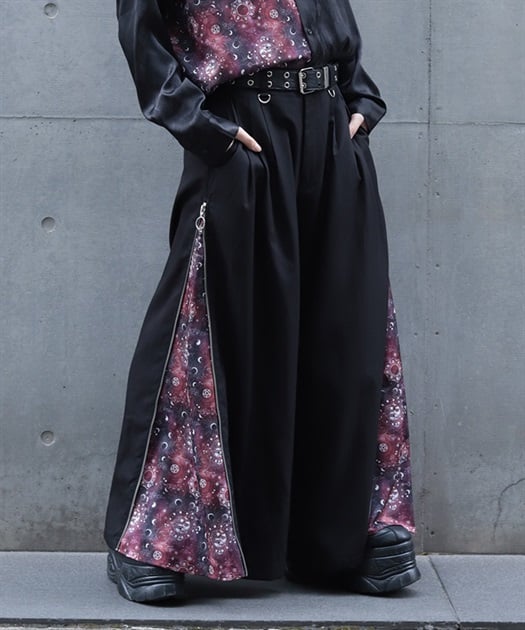
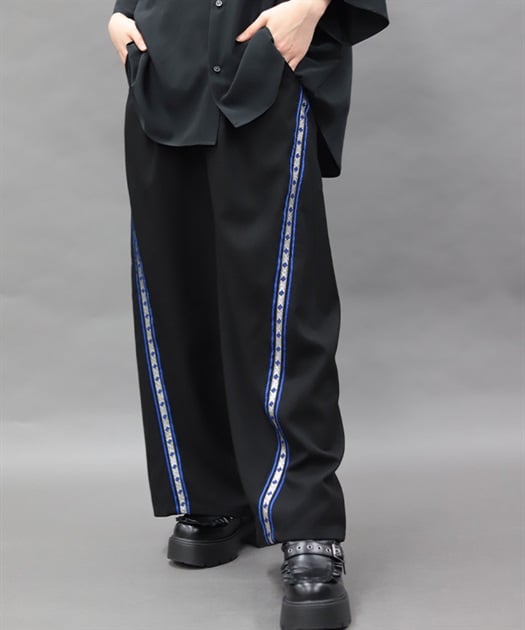
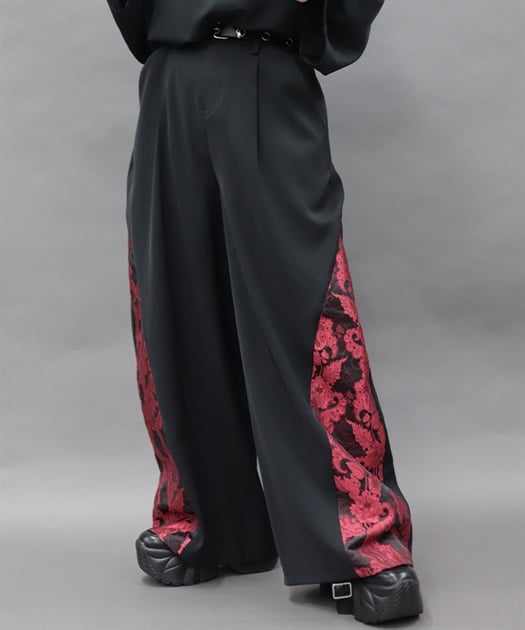
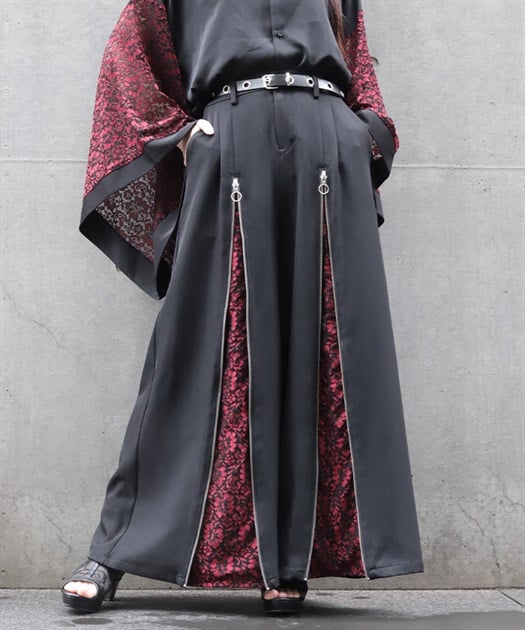
Customers are actively encouraged to try on not only their usual size but also one size up or down. This can lead to new discoveries like, I never knew I could wear it like this, resulting in a more satisfying choice. For instance, the Pleated Panel Hakama Pants (¥15,400) have a wide waist adjustment range, fitting those with a waist circumference from 60cm to 80cm in regular clothing. However, since the impression of the length and hem spread changes significantly with height and footwear, it is recommended to try on multiple sizes and check the comfort and silhouette by walking and sitting.
- Utilizing Full-Length Mirrors and Lighting
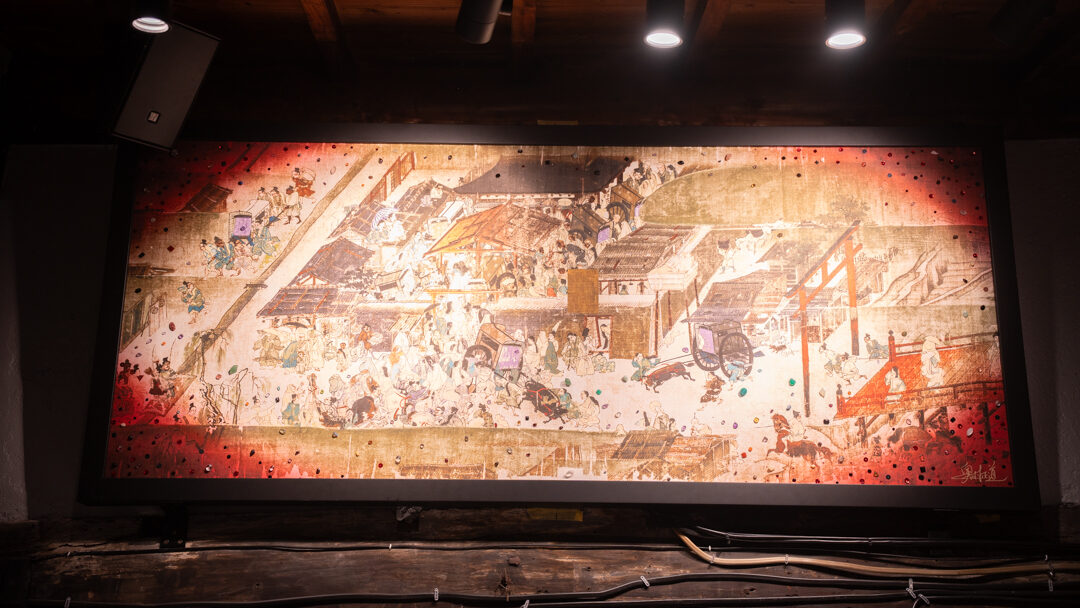
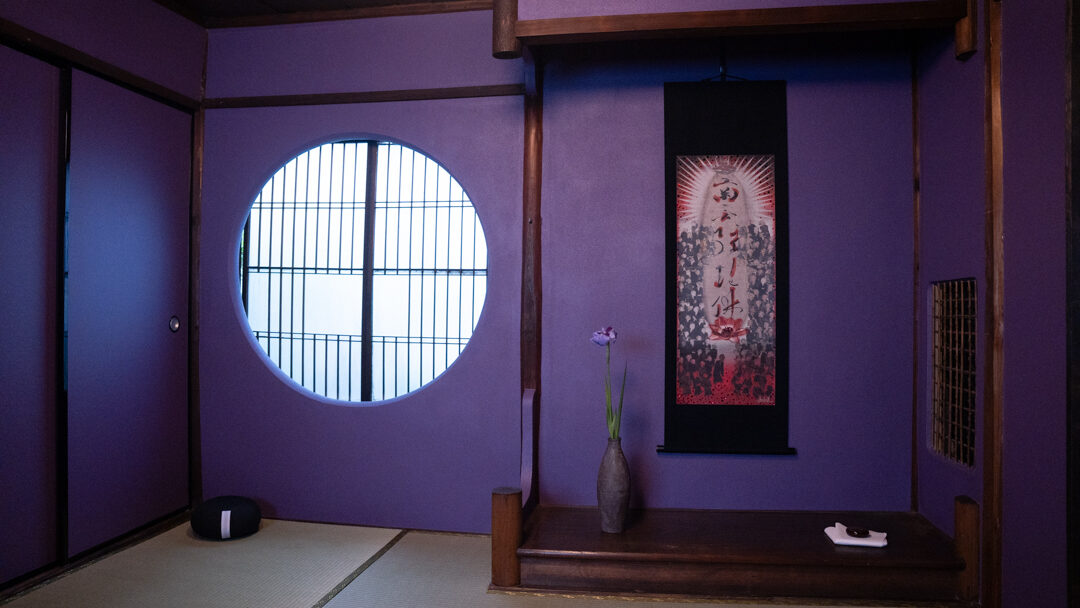
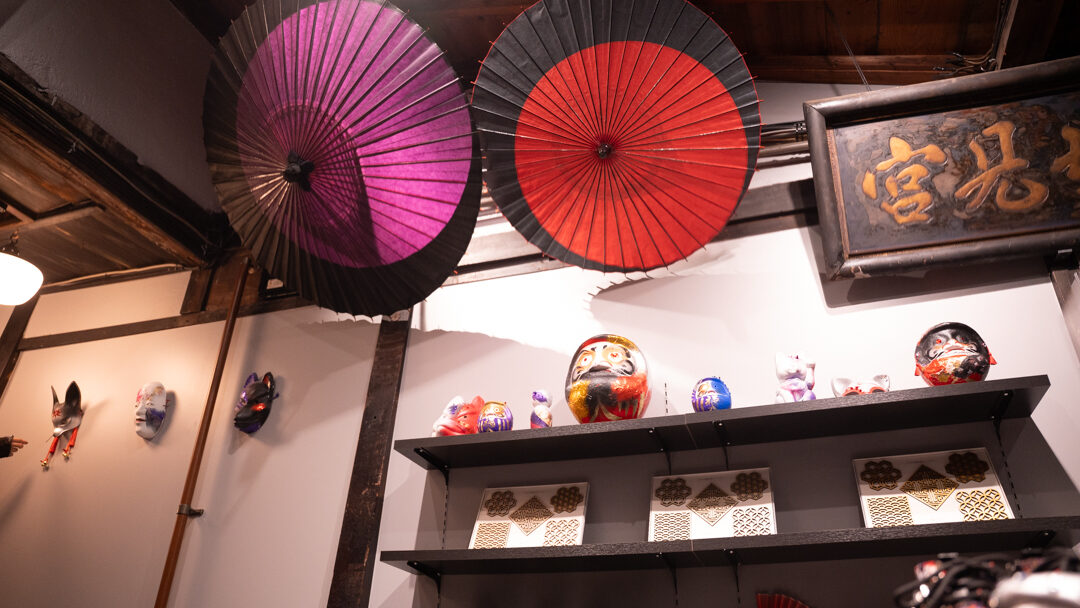
Contrary to its temple-like exterior, the interior of the REZEN Kyoto store is a unique and sophisticated Japanese-Western fusion space. Large, full-length mirrors and lighting that accurately conveys the color and texture of the items are crucial elements for customers to objectively check their appearance during a fitting. This entire space enriches the customer's purchasing experience.
4. Pursuing a Balance of 'Revealing' and 'Concealing' in Sizing
REZEN Kyoto's fashion is not just about covering the body; it is interspersed with designs meant to reveal the customer's individuality. In sizing, this balance of revealing and concealing is key.
- Harmony of Body Coverage and Design
For example, wide-silhouette hakama pants are items with a high body-covering effect, allowing them to be worn without concern for the leg line. However, they don't just conceal; the pleats and paneling designs (e.g., Pleated Panel Hakama Pants ¥15,400) sway beautifully with every step, functioning as a design that captivates through movement. When choosing a size, it's important to find the balance where this movement looks most beautiful.
- Relationship Between Accent Colors and Silhouette
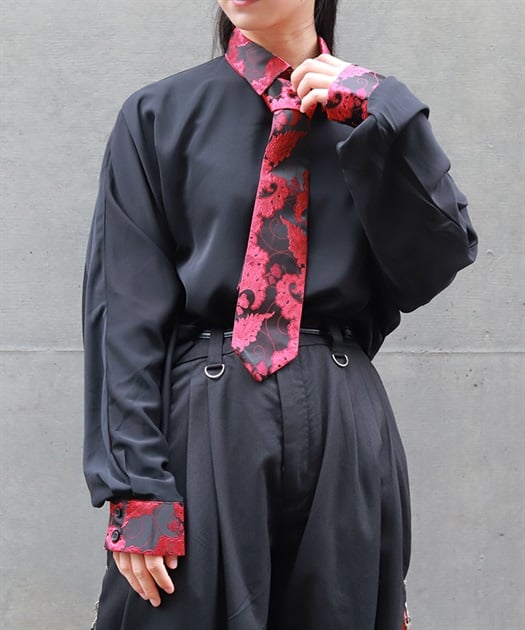
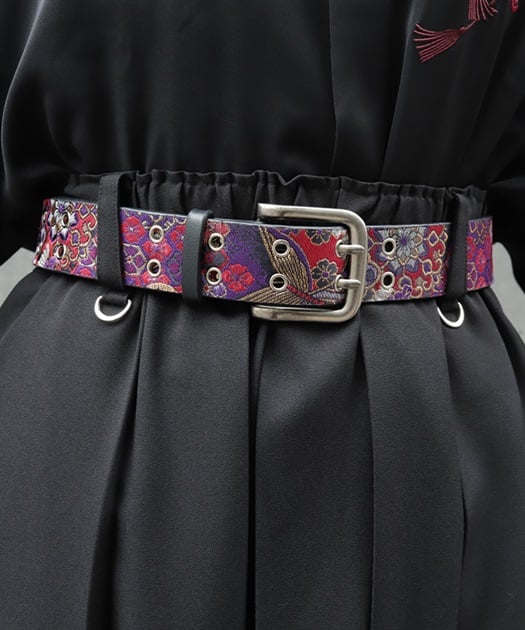
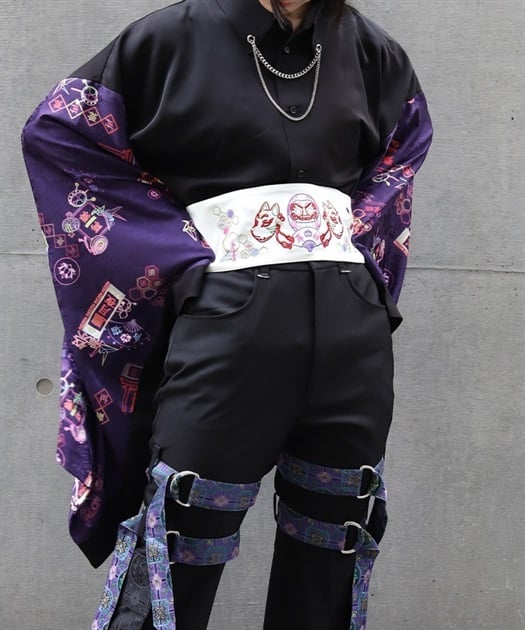
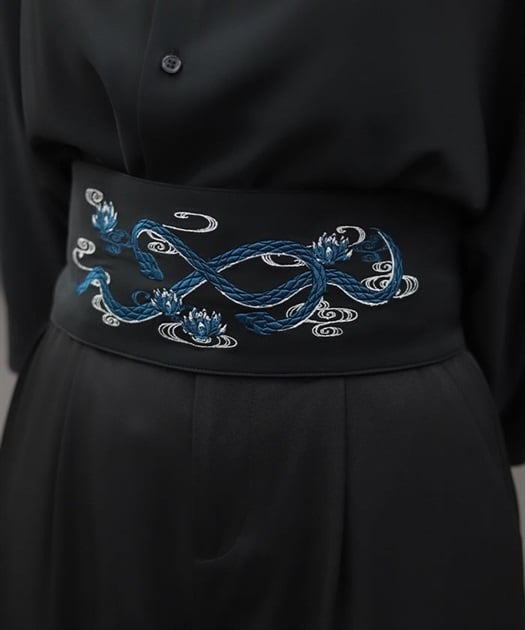
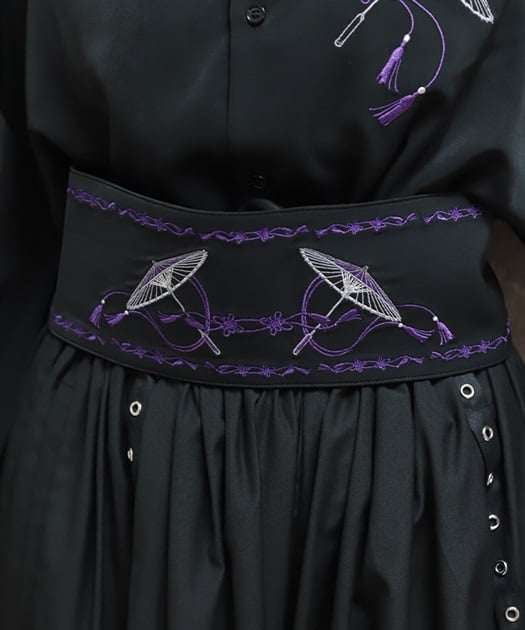
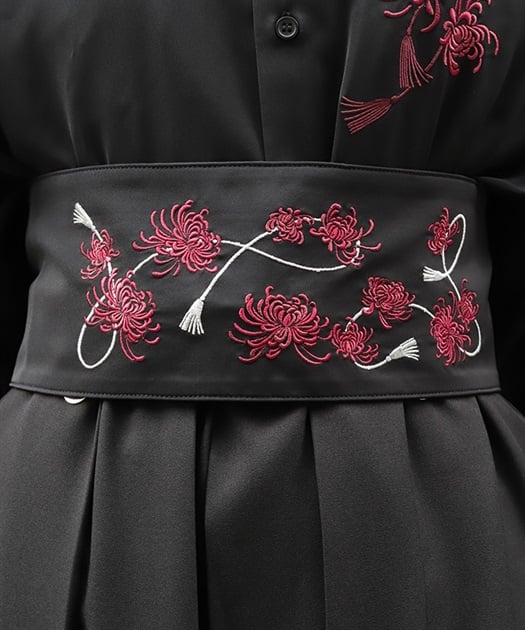
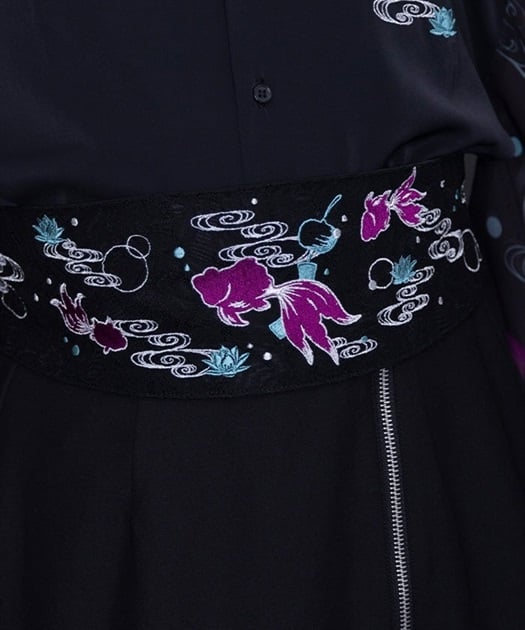
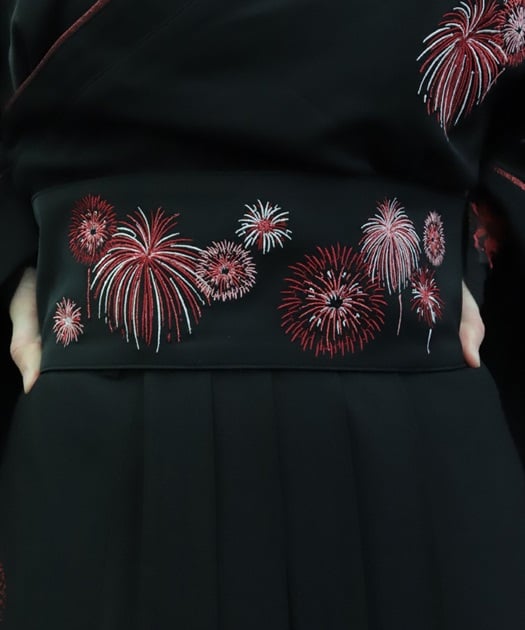
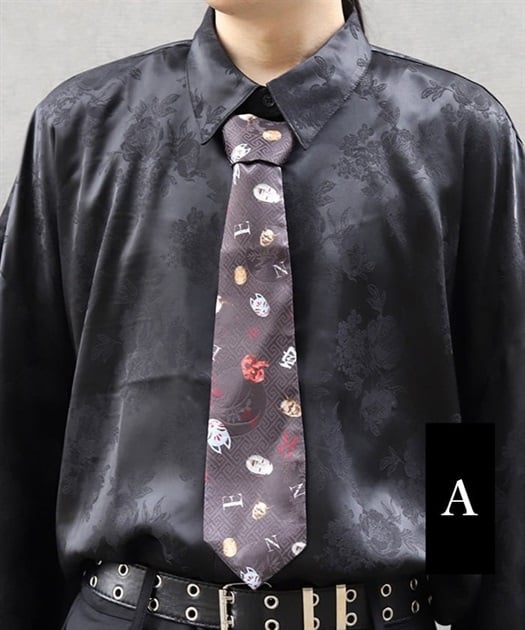
Adding an accent color to a black-based item creates a visual focal point. This accent can draw attention to a specific area or have the effect of tightening the overall silhouette. For instance, pairing with accessories like Japanese-patterned belts, neckties, or obi belts can emphasize the waistline or add depth to the coordination. When advising on size, it's important to consider how the overall color balance and the design elements of each item will interact.
- Sizing to Emphasize 'Wa' Elements
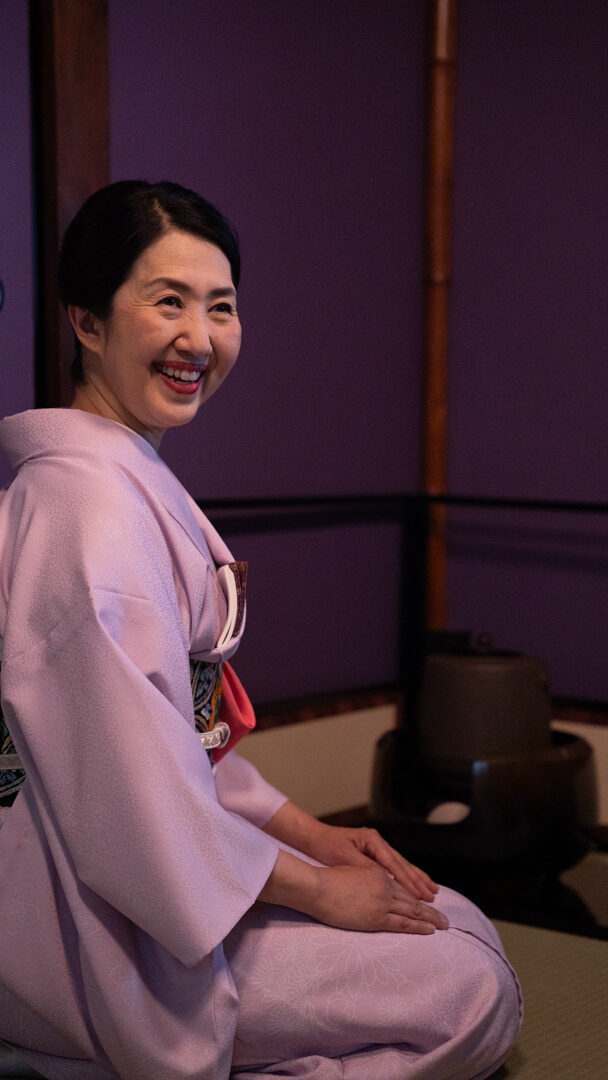
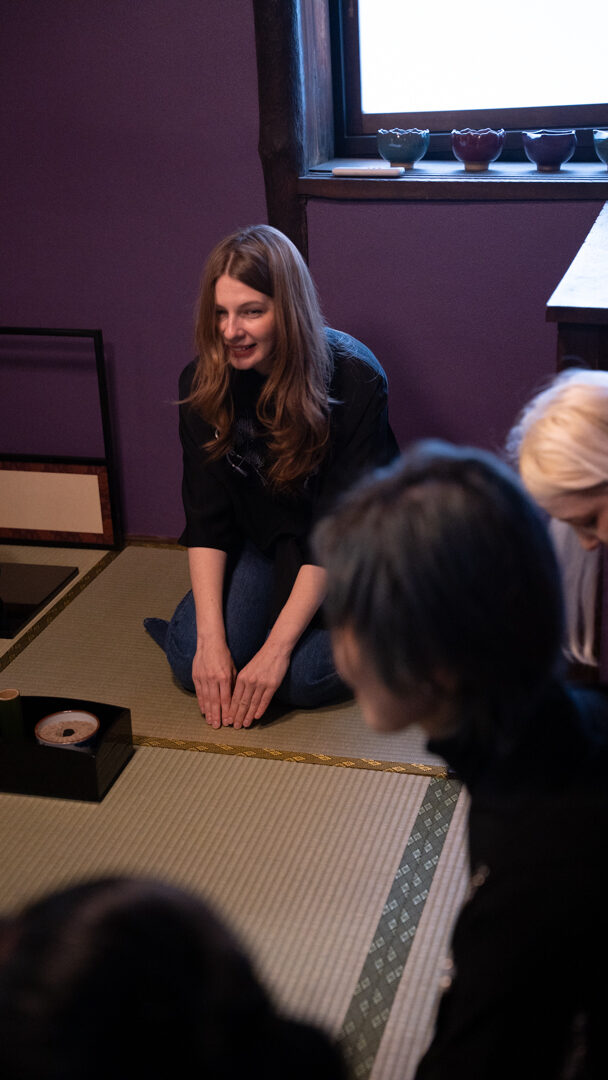
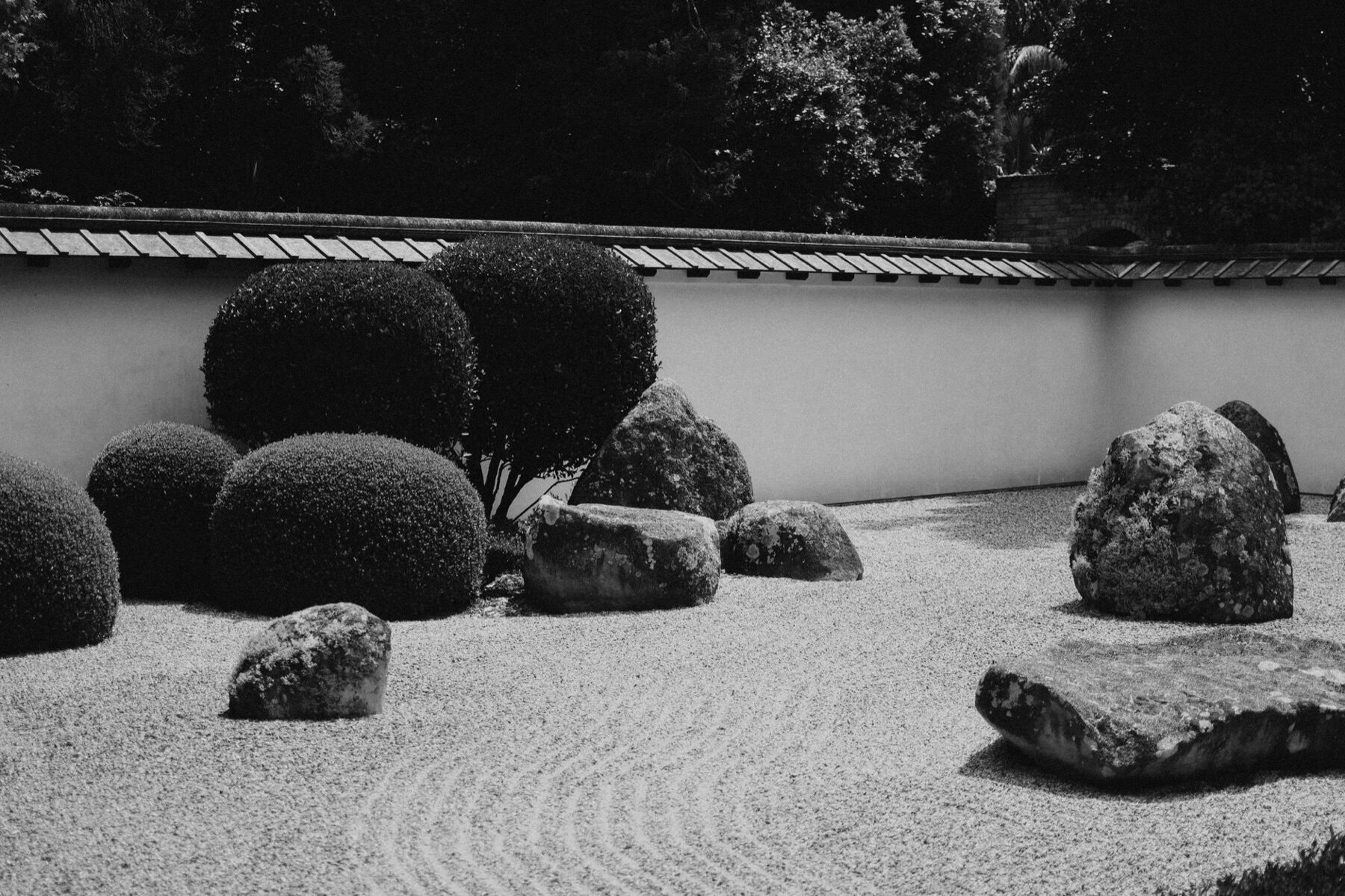
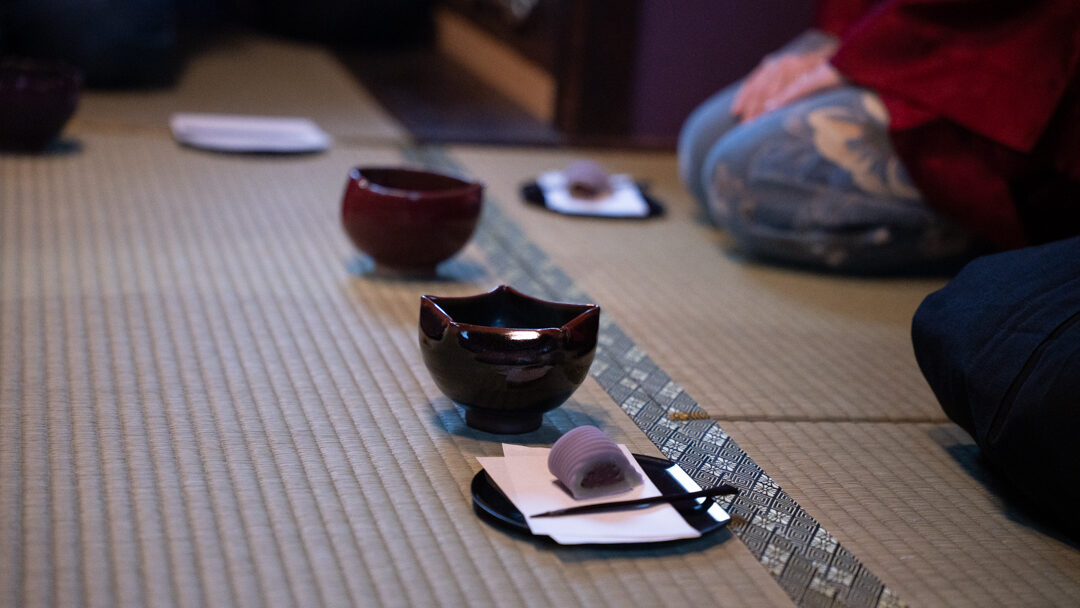
Just as the brand name REZEN combines RE (again) with Zen, a quiet and profound beauty reminiscent of Zen philosophy lies at the core of REZEN Kyoto. To emphasize this Wa element, choosing a relaxed, roomy size rather than one that excessively highlights the body's lines can express the wearer's inner calm and dignity. This can be described as an aesthetic of empty space, which also relates to the spirit of the tea ceremony.
REZEN Kyoto Style: Practical Steps for Sizing Japanese-Western Fusion Fashion
Here are the practical sizing steps that REZEN Kyoto practices, or can recommend, to help customers find their perfect one-of-a-kind piece.
1. Understand Needs Through Pre-Fitting Counseling
First, ask customers about the occasions and the image they have in mind for wearing the item. By understanding specific uses like I want to wear it for sightseeing in Kyoto, for daily use, or I want to stand out at an event, you can narrow down the appropriate items and sizes.
- Confirm the occasion: Casual, formal, travel, everyday wear, etc.
- Inquire about style preference: Relaxed fit, sleek look, body coverage, expressing individuality, etc.
- Note their usual clothing size: Use it as a reference while explaining the unique characteristics of Japanese-Western fusion wear.
2. Actively Propose Multiple Sizes
Encourage customers to try on not only their requested size but also one size up or down. Especially with unisex items, the change in silhouette brought by different sizes can lead to new discoveries.
- Try the standard size plus one size up and down: For example, if they want an M, have them try S and L as well.
- Specifically explain the change in appearance: Drape, shoulder drop, length, etc.
- Provide an environment for a full-body check: Let them see themselves from various angles in front of a large mirror.
3. Check for 'Ease of Movement' with a Fitting Checklist
Beyond the visual silhouette, the actual comfort and ease of movement when wearing the item are extremely important. Use the following checklist to confirm with the customer.
- Raising and lowering arms: In Japanese-sleeve shirts or haori, does it feel tight when raising the arms?
- Bending over: In hakama pants or skirts, is there any tightness around the waist or hips when bending down?
- Sitting down: When sitting in a chair, does the fabric pull or the length ride up excessively?
- Walking feel: Have them walk a few steps in the store to check the flow of the hem and whether the fabric clings.
- Compatibility with innerwear: Recommend trying the item on with the type of innerwear they usually wear.
4. Respect the Customer's 'Intuition' and Support Their Final Choice
While professional suggestions are important, the customer is the one who will ultimately wear the clothes. In many cases, a customer's gut feeling of this is the one contains an unspoken sense of satisfaction. Respecting that intuition and helping them choose with confidence is paramount.
- Ask for their first impression: Value their immediate reaction after trying something on.
- Carefully address any hesitation: Compare pros and cons and provide objective information.
- Reiterate the 'REZEN Kyoto' brand story: Deepen their attachment by sharing the background of the item, such as the Zen philosophy in REZEN or the meaning behind the lotus crest.
5. Build a Follow-Up System for Online Purchases
For customers who cannot purchase at a physical store, a support system for online size selection is also crucial. On REZEN Kyoto's official Instagram (https://www.instagram.com/rezen_kyoto/) and X (formerly Twitter) (https://x.com/REZEN_Official), they post photos and videos of staff with various body types wearing the items, making it easier for customers to visualize the fit online.
- Provide a detailed size guide: Clearly state specific measurements for each item, such as shoulder width, body width, length, sleeve length, and inseam.
- Enhance model wearing reviews: Include the model's height, weight, worn size, and comments.
- Consider introducing virtual try-on or AI recommendations: As a future investment to improve the customer experience.
Conclusion: REZEN Kyoto, a Place to Encounter 'Yourself' Beyond Sizing
What REZEN Kyoto offers is not just clothing. It is a unique Wa-Mode fashion where Japan's rich culture and modern sensibilities merge, an art piece that reflects the wearer's inner self. Sizing is the first and one of the most crucial steps to wearing this special fashion in your own style.
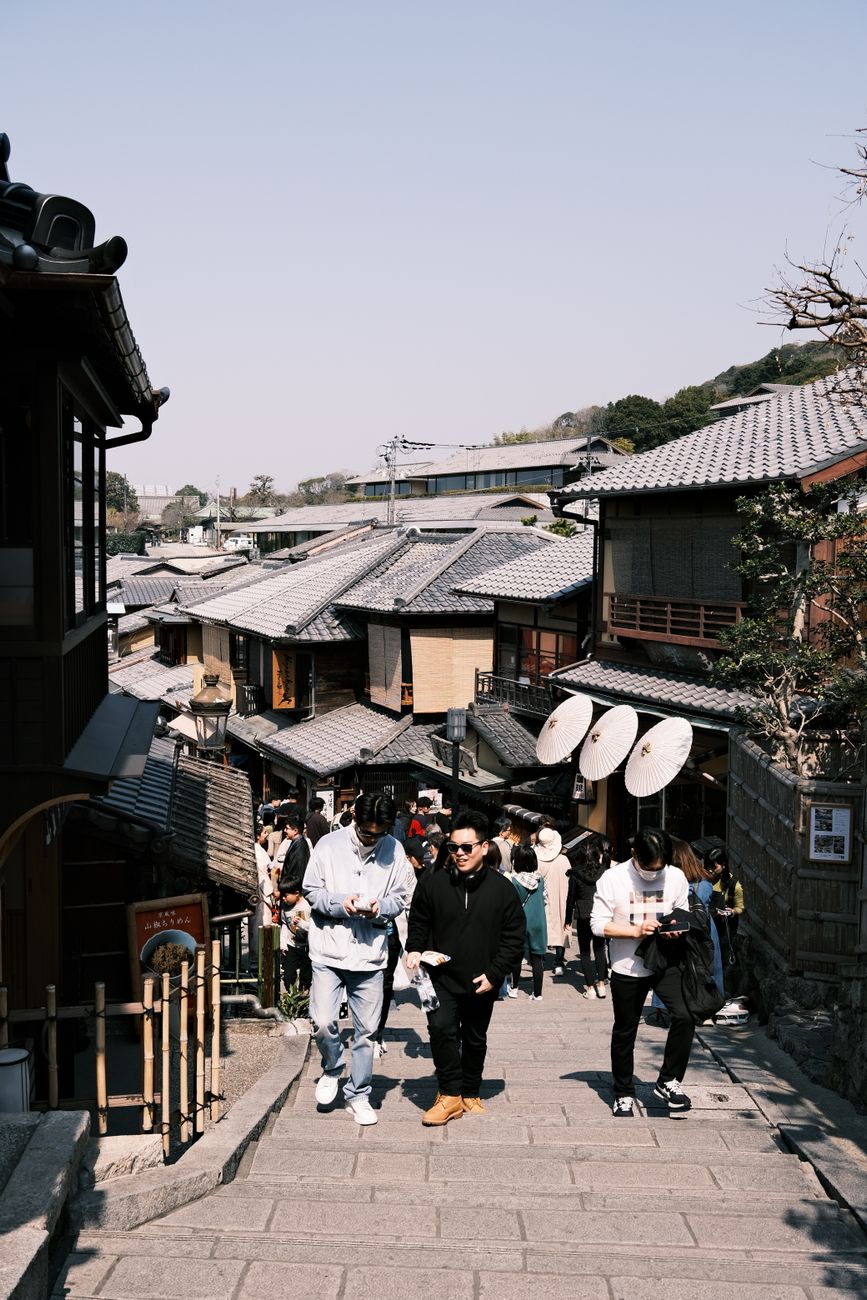
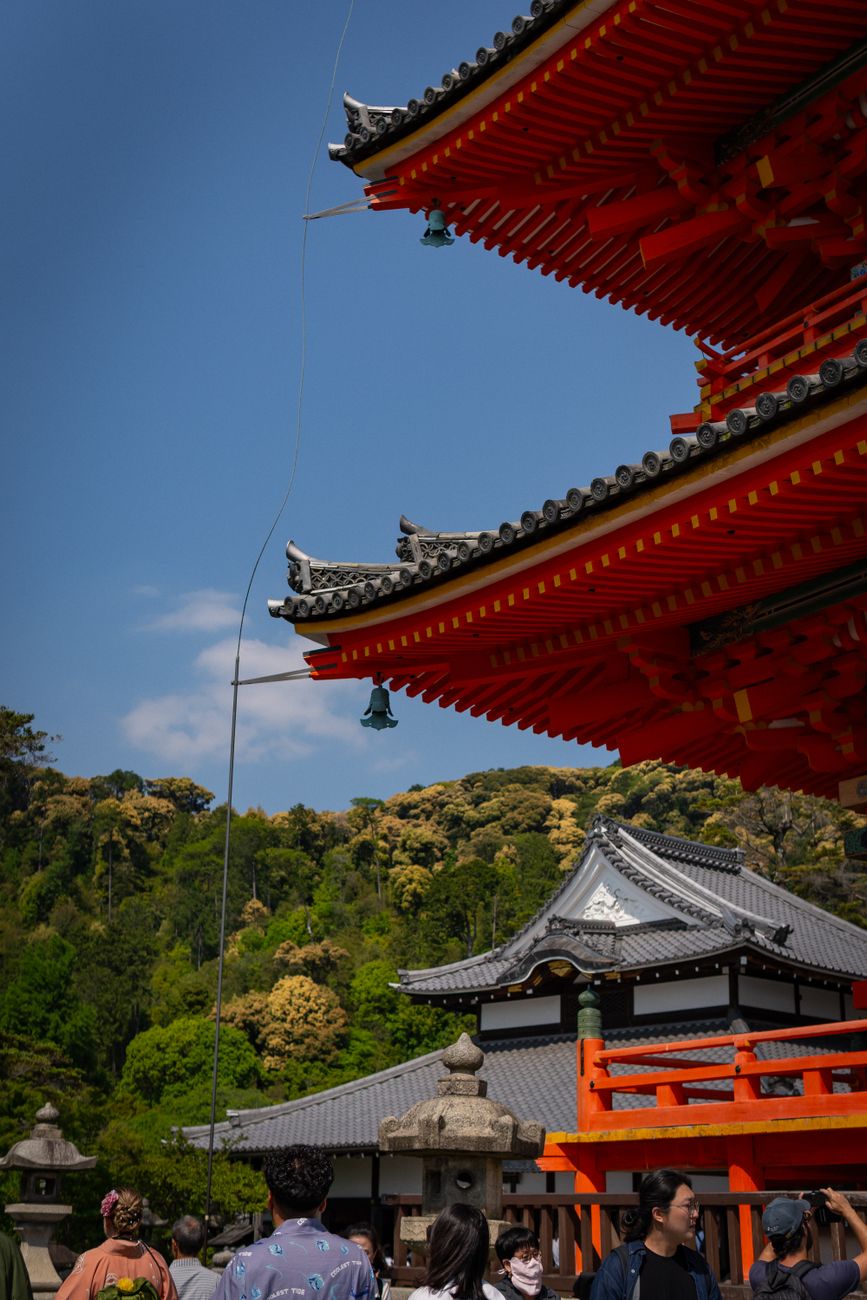
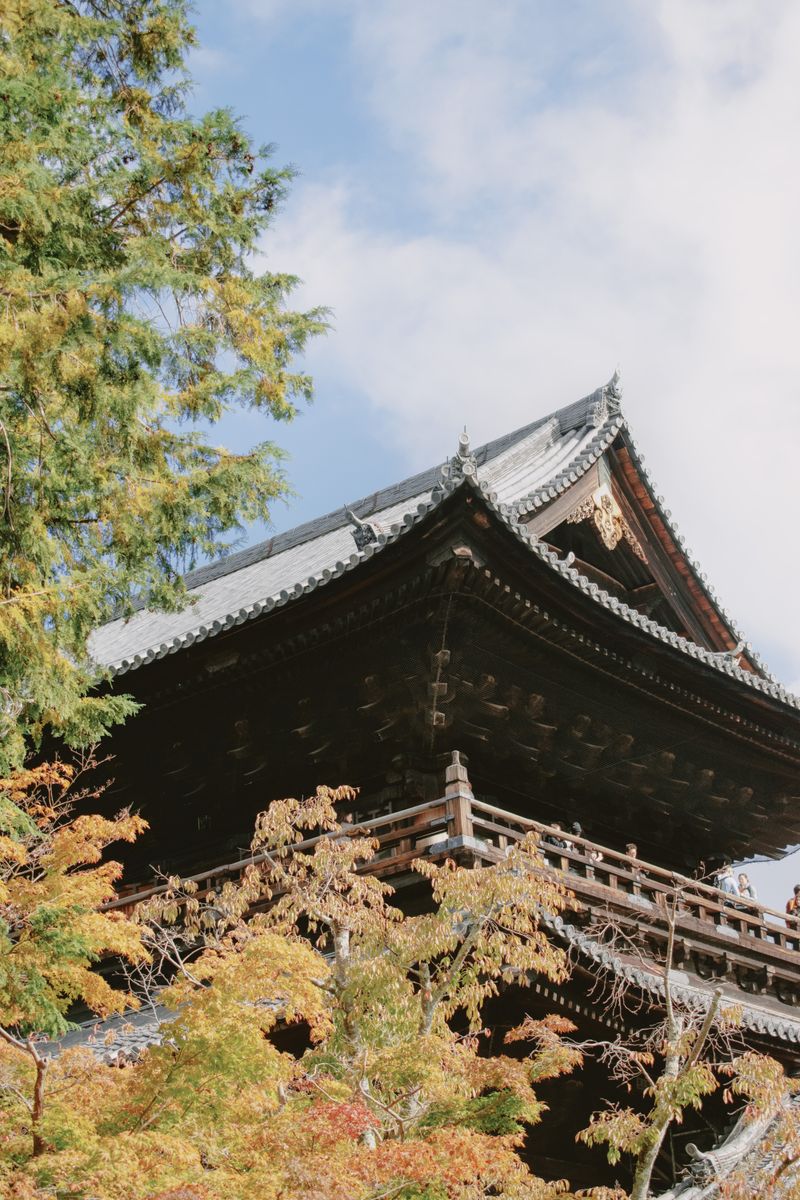
The REZEN Kyoto store is located on Shinkyogoku Street in Kyoto, and its temple-like exterior feels like an entrance to the culture of old Japan. Once inside, a unique, sophisticated Japanese-Western fusion space based in black unfolds, allowing visitors to forget their daily lives and experience the joy of finding their own special piece. The fitting experience in this space can be described as a time to face oneself, akin to the spirit of Zen.
We hope that store owners can gain from REZEN Kyoto's example the perspective of not just providing the right size, but proposing the best way to wear it for that customer. Like REZEN Kyoto, which offers the joy of wearing culture and tradition across genders and eras, respecting each customer's individuality and exploring new fashion possibilities together—this is the role modern stores should fulfill and the path that leads to sustainable growth. Let's strive to provide a store experience, through the Japanese-Western fusion fashion proposed by REZEN Kyoto, where customers can RE: again encounter their own true style.